.png)


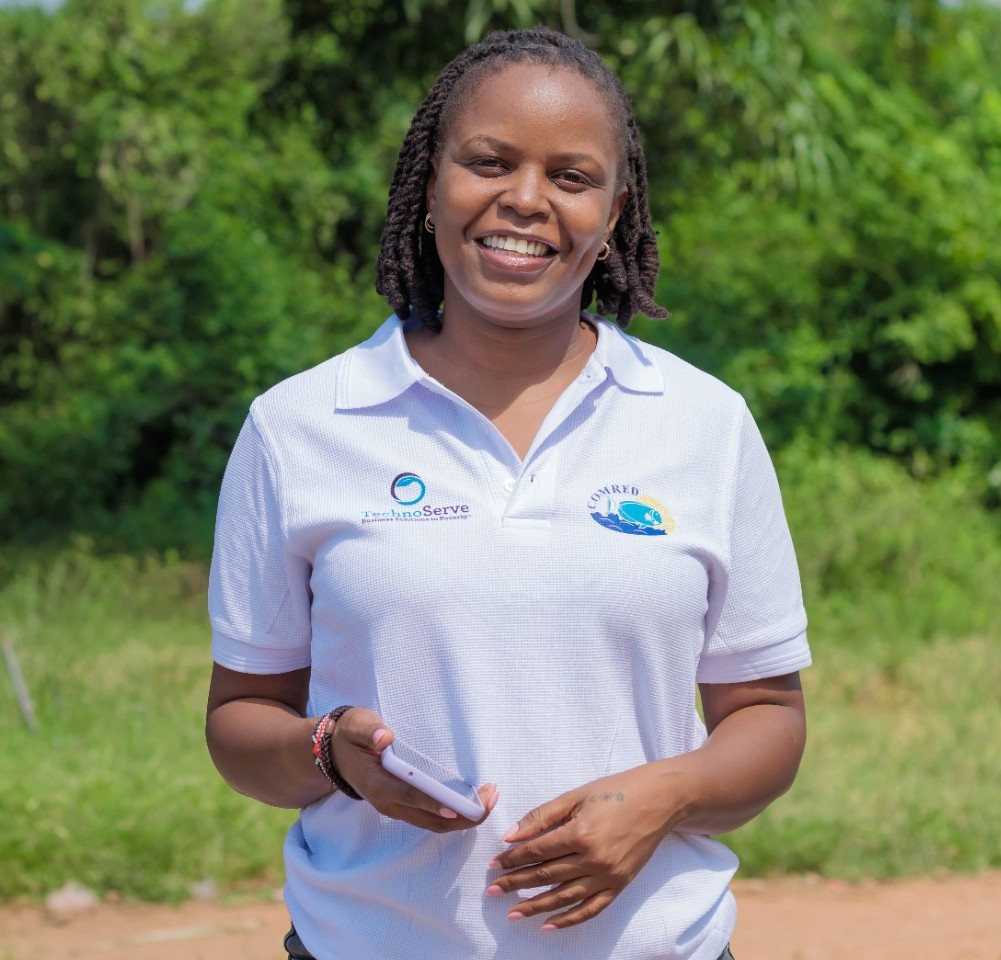
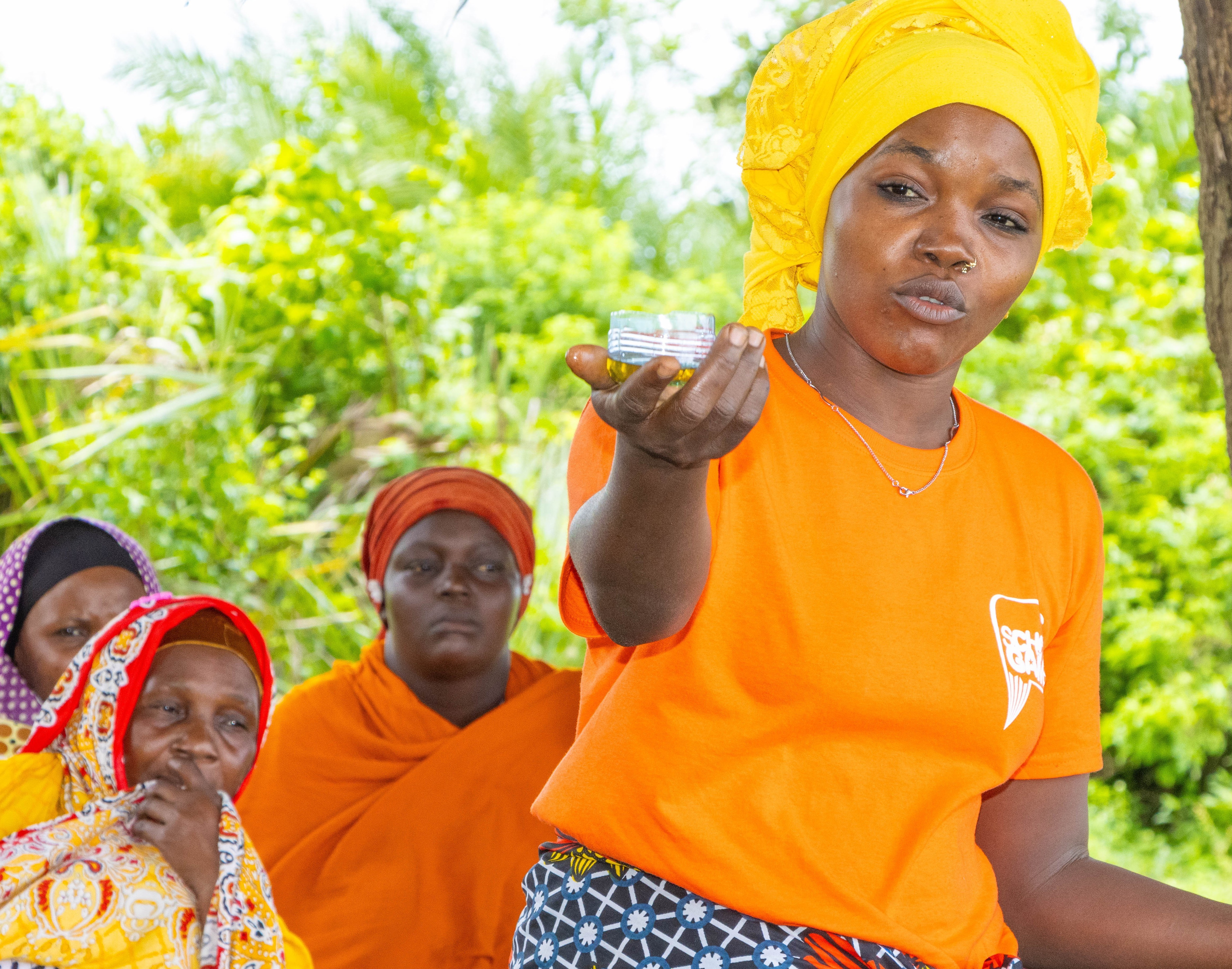
There’s a quiet kind of strength that sits in Fatuma Saidi’s eyes, the kind you only earn from years of doing what needs to be done, whether or not the sun feels too hot or the day too long.
She lives in Majoreni, a small village tucked between fields and the ocean. It’s the kind of place where life hums softly with goats bleating, children playing around, and the scent of salt and smoke in the air. Fatuma is a fisher’s wife. But these days, she’s also something else: a beekeeper.
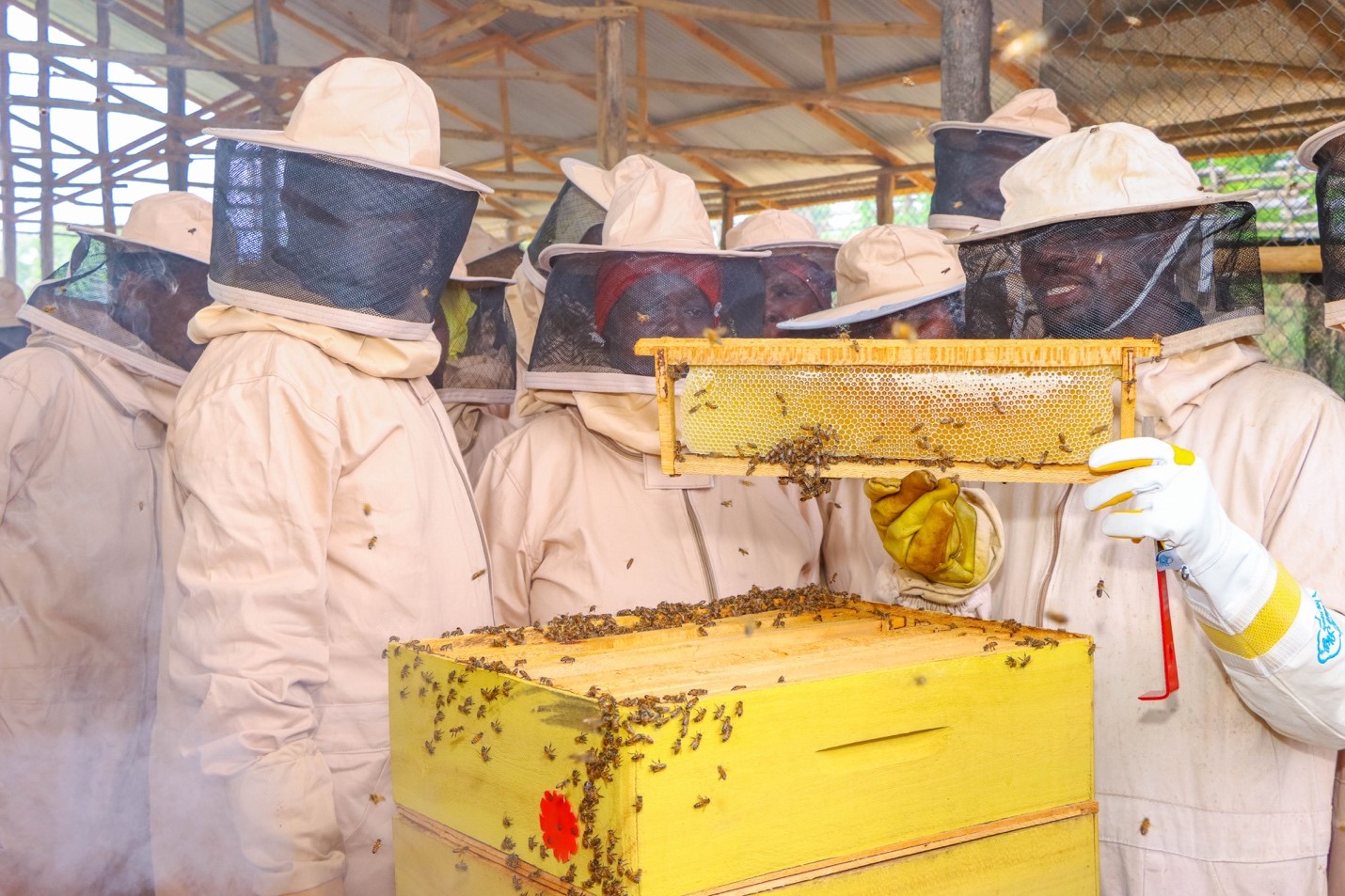
It started with curiosity. Fatuma had heard about a COMRED beekeeping initiative and decided to sit in and learn, mostly to listen. “At first, I didn’t even know what nyuki (bees) could do for me,” she says with a laugh. “I just thought they sting and fly away.” But after attending a few sessions, surrounded by other curious people, something began to shift. The idea of beekeeping, of owning something small yet powerful, began to take root.
Her first harvest changed everything. She remembers the weight of the bucket, the gold of the honey, the disbelief that it was hers. She sold it for KES 12,000, shared some with her husband, saved the rest, and realised she could do more than just get by; she could grow.
Now, Fatuma manages her hives with the same tenderness she once gave her crops. She also assists other farmers as a Trainer of Trainers (ToT) of Majoreni Beekeepers, a role she takes to heart. She talks about bees like family: how they hum, differently on windy days, how they retreat when rain is coming. She has learned their ways, including how to feed them in the dry season and when to harvest. She has turned honey into business.
“Before, people didn’t listen to me,” she says. “Now, even the men seek advice from me.”
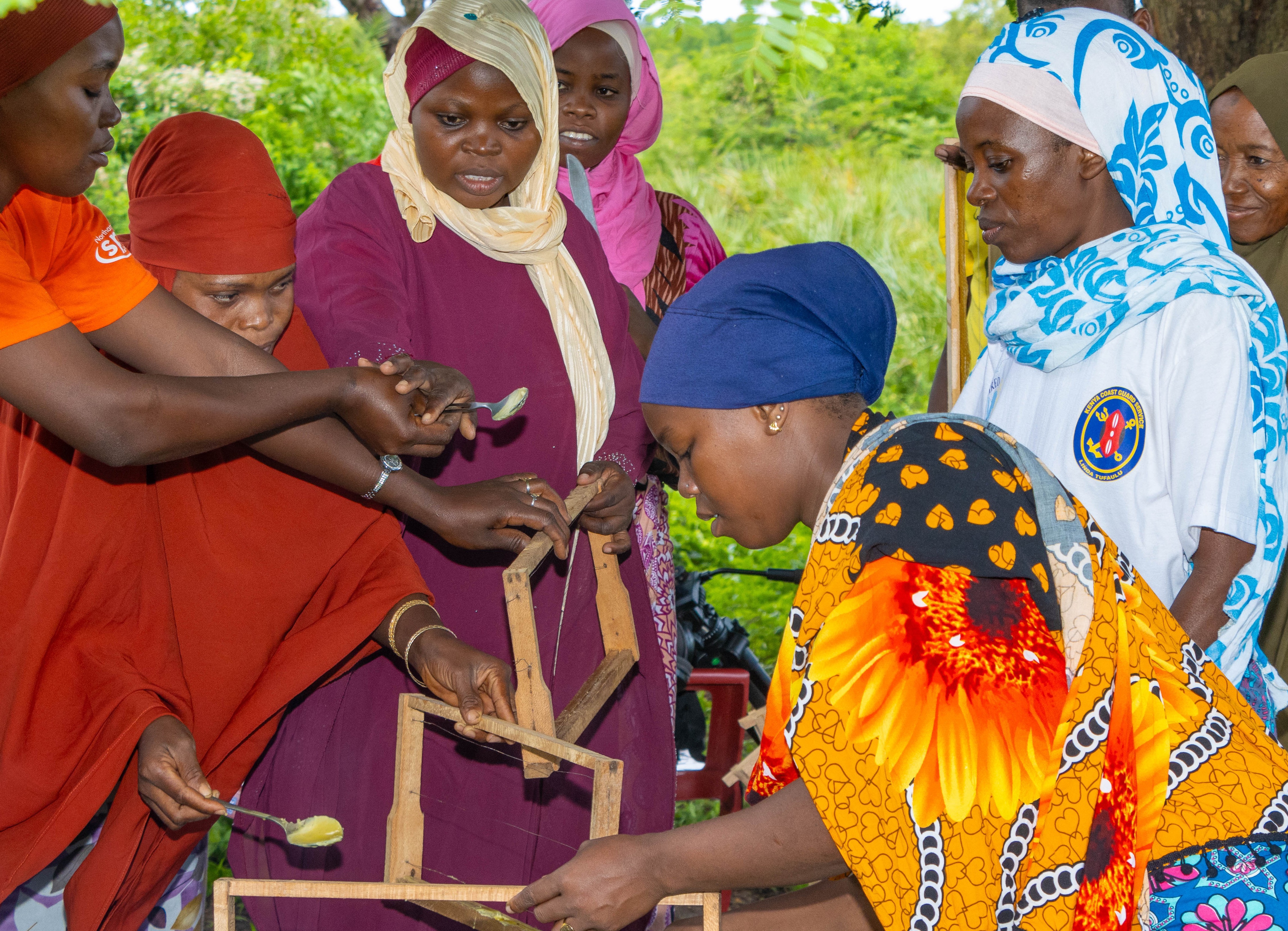
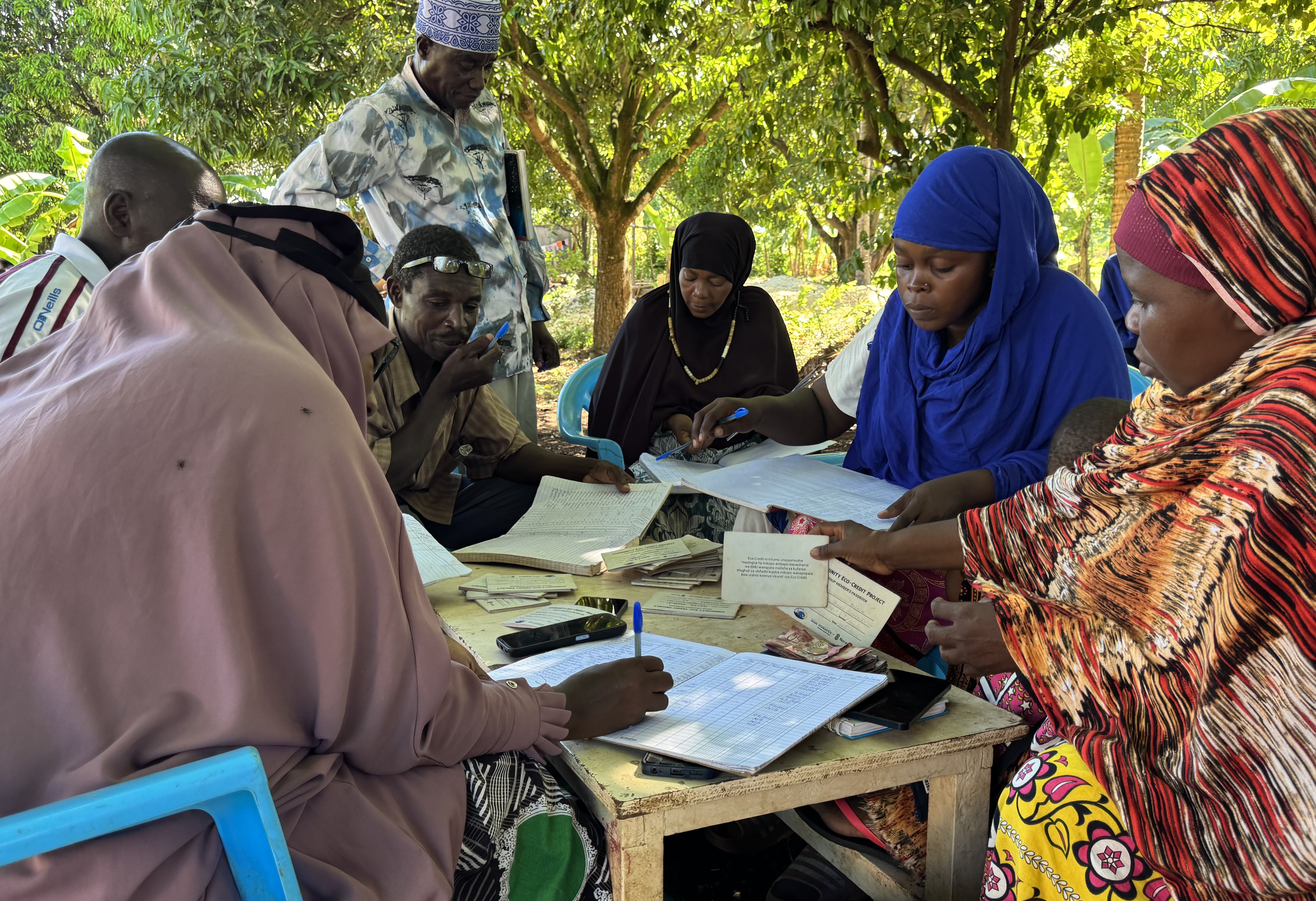
Through Eco-credit , Fatuma can access loans easily to expand her ventures. What has truly changed isn’t just her income; it’s also her sense of worth. “Bees taught me patience,” she smiles. “They taught me courage. You can’t rush a hive. You wait for it to give.”
She still dreams of her own thriving business, and of women like her running businesses that blend nature and independence. As we walk through the fields, there is a mix of hope, resilience, and quiet pride.
“When I see bees now, I see opportunity.”