.png)


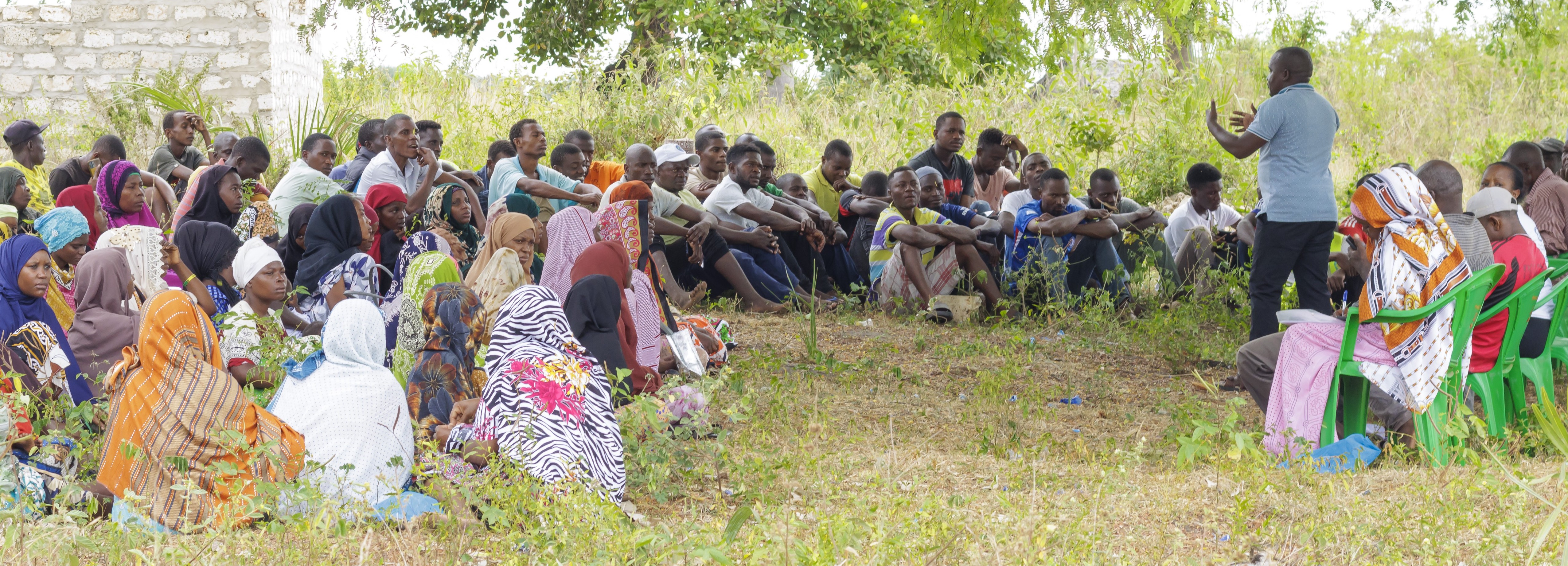
When people talk about economic programs, we often think first of training modules, business plans, or what happens after learning starts.
But in parts of Kwale County, something equally important is happening before any formal training and it matters just as much for long-term success.
Local leaders and communities are already shaping how opportunity in the blue economy is understood, accessed, and owned.
What the BlueBiz Program Is
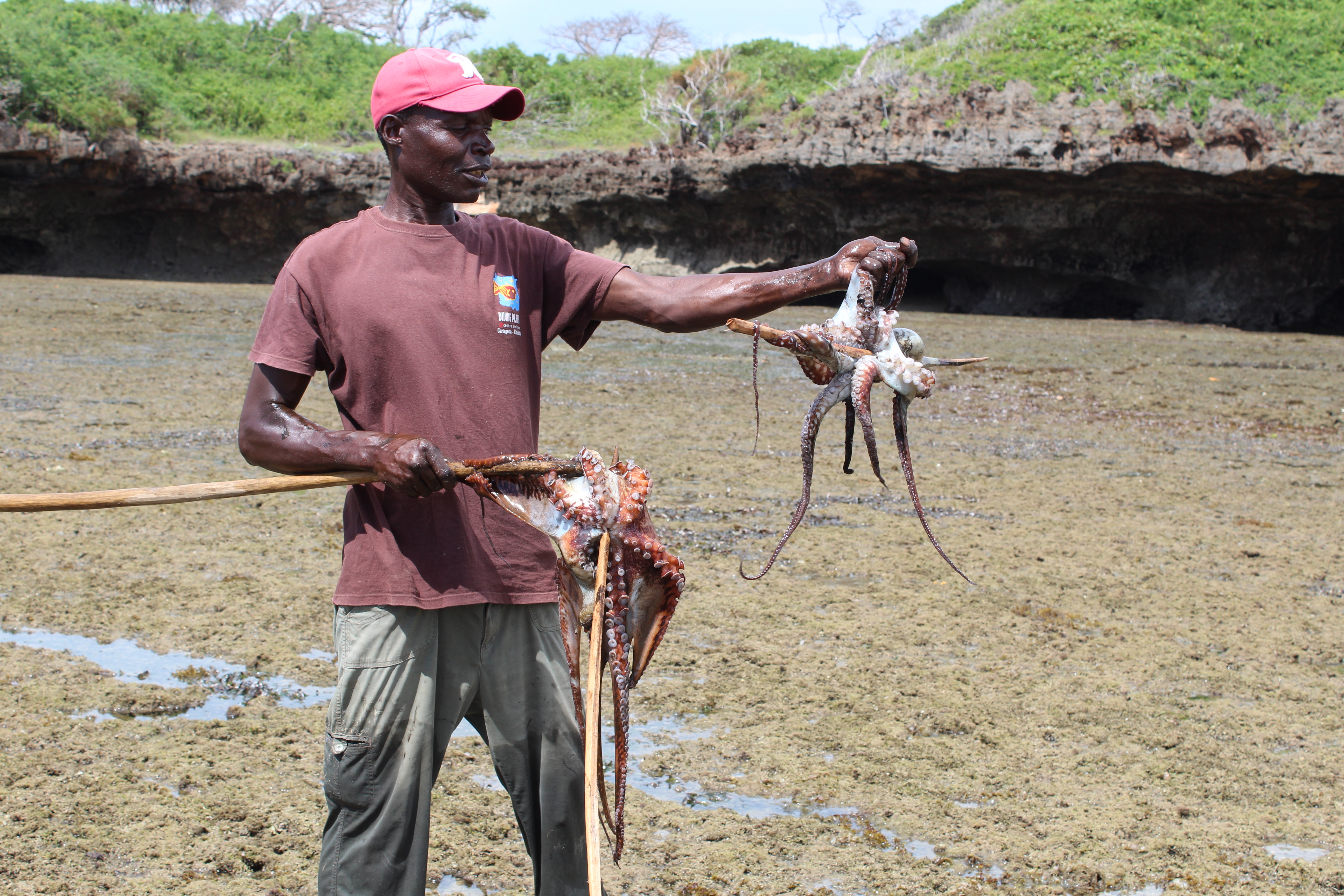
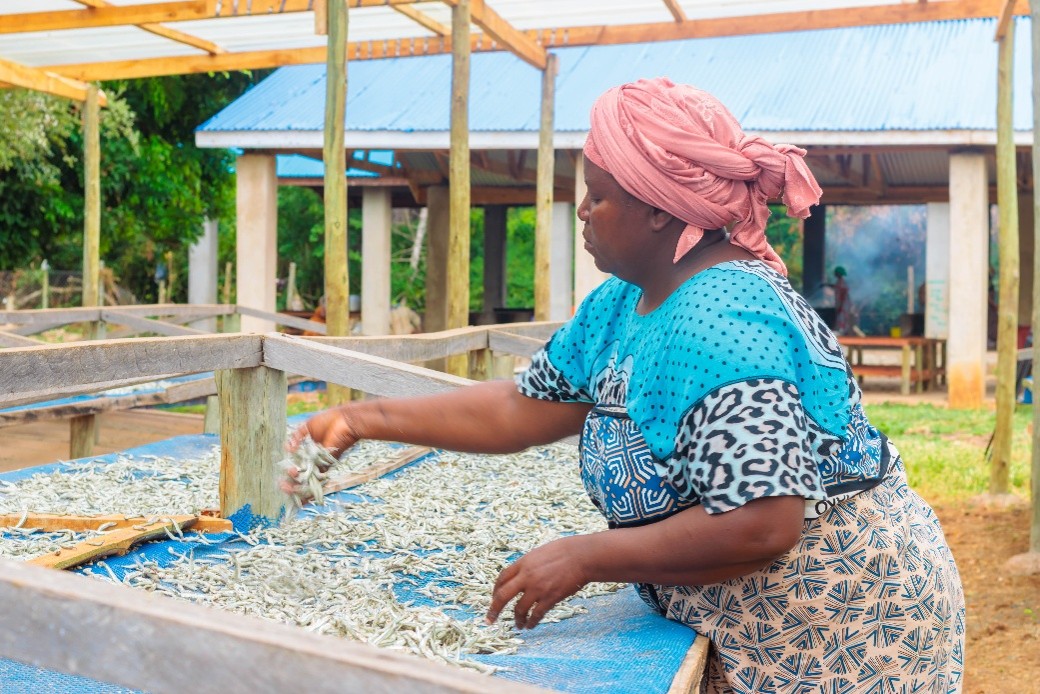
BlueBiz Program is a youth-focused initiative in Kenya’s coastal region designed to enable aspiring and current entrepreneurs — especially women and youth aged 18–35 — to build sustainable micro-enterprises tied to the blue economy. The program operates in five coastal counties: Mombasa, Kwale, Kilifi, Tana River, and Lamu, and will run through to 2027. It supports participants with entrepreneurship training, access to finance, and links to markets and networks that help strengthen resilience, leadership, and income streams.
It aims to empower thousands of coastal youth, with a strong emphasis on women’s economic inclusion, across fisheries, seaweed farming, and other related value chains. The program also works through local organizations and partnerships to build capacity within communities and ensure youth are connected to practical support.
When Opportunity Enters Through Trusted Leaders
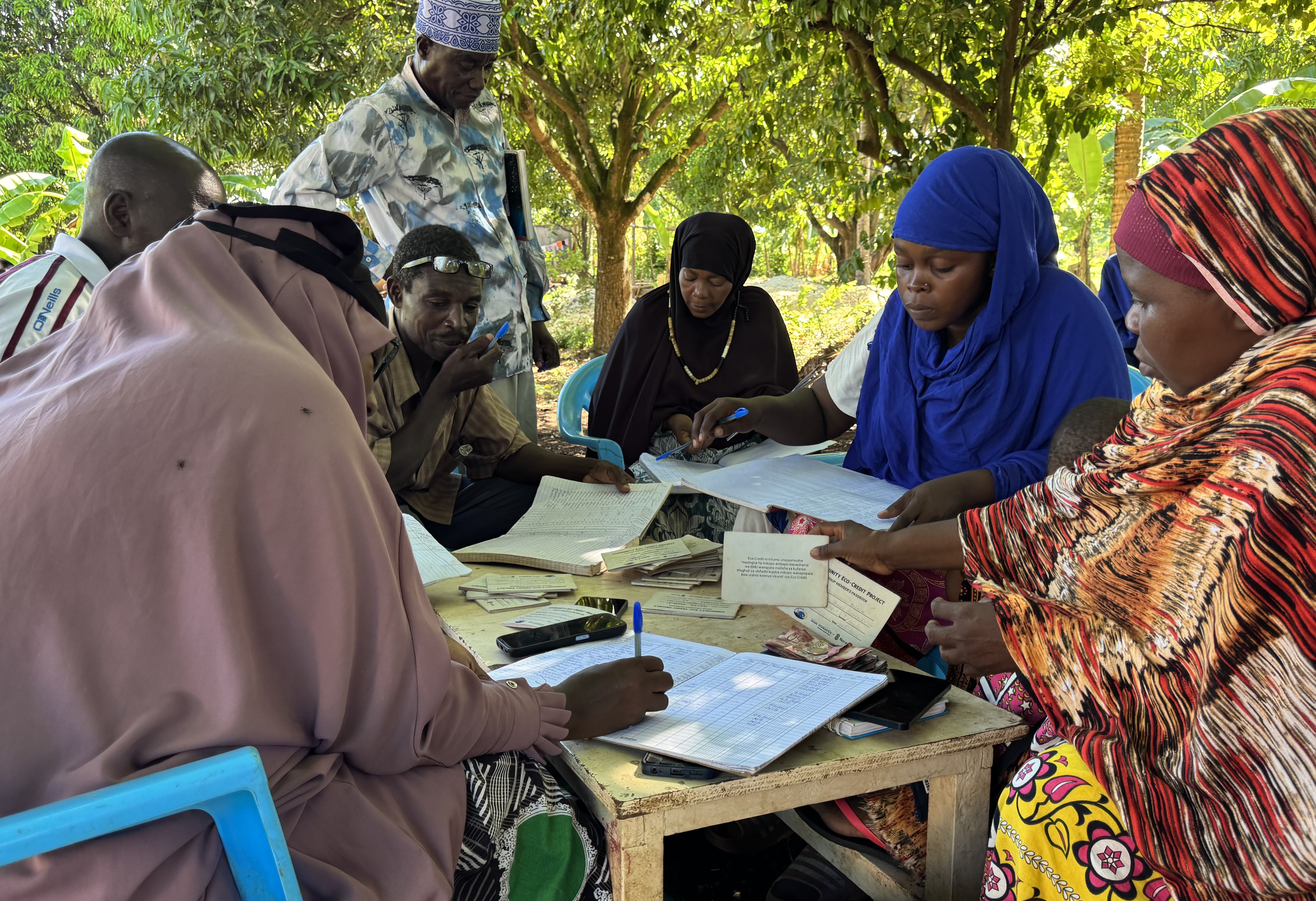
In mobilization activities ahead of training, it has become clear that how information enters a community determines whether people show up and feel confident enough to engage.
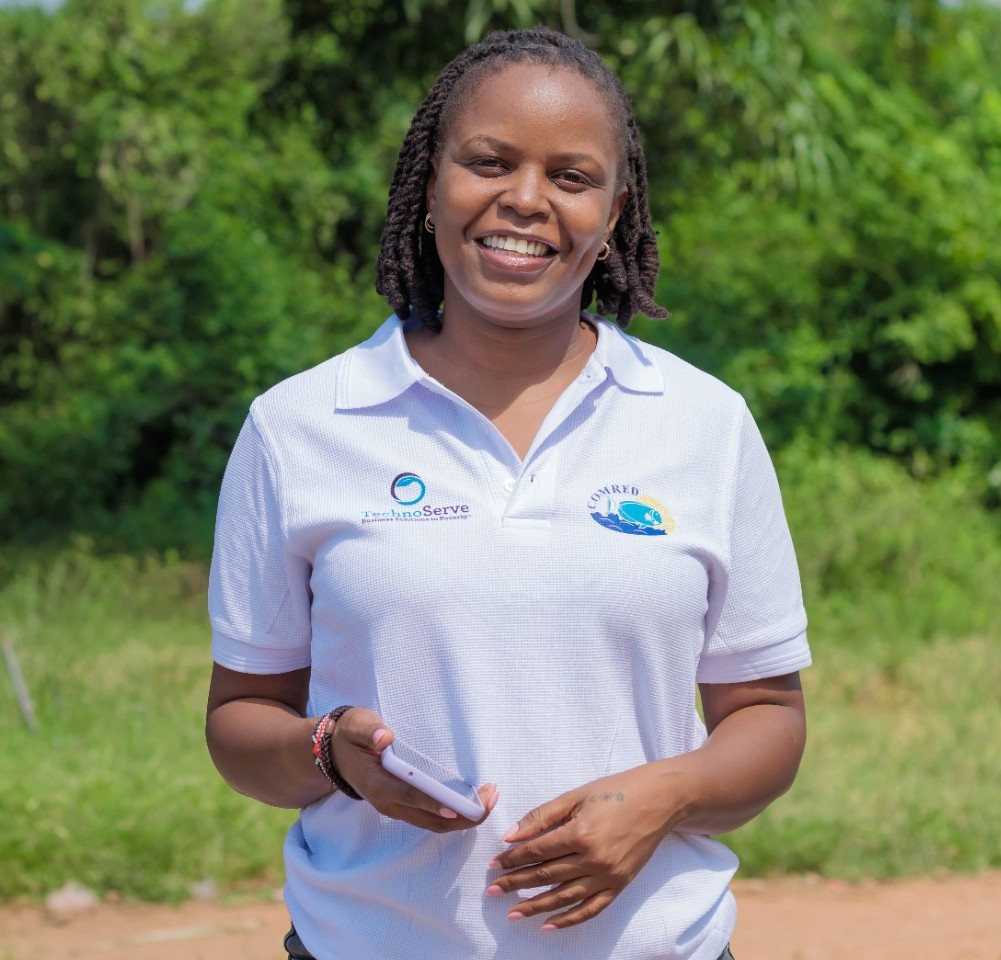
Take the experience of Mwanatumu Makopo one of the community mobilizers.
Mwanatumu serves as the Secretary of the Mwaembe Beach Management Unit (BMU), is a Community-Based Trainer (CBT) of eco-credit groups, and runs her own businesses. Because she is a known leader and businesswoman, her engagement with the BlueBiz Program feels familiar and credible to community members already involved in fisheries and related work.
“Through this process, I learned how to reach the right audience. I’m glad the program focuses on youth and women so they can strengthen their businesses and improve their economic situation.”
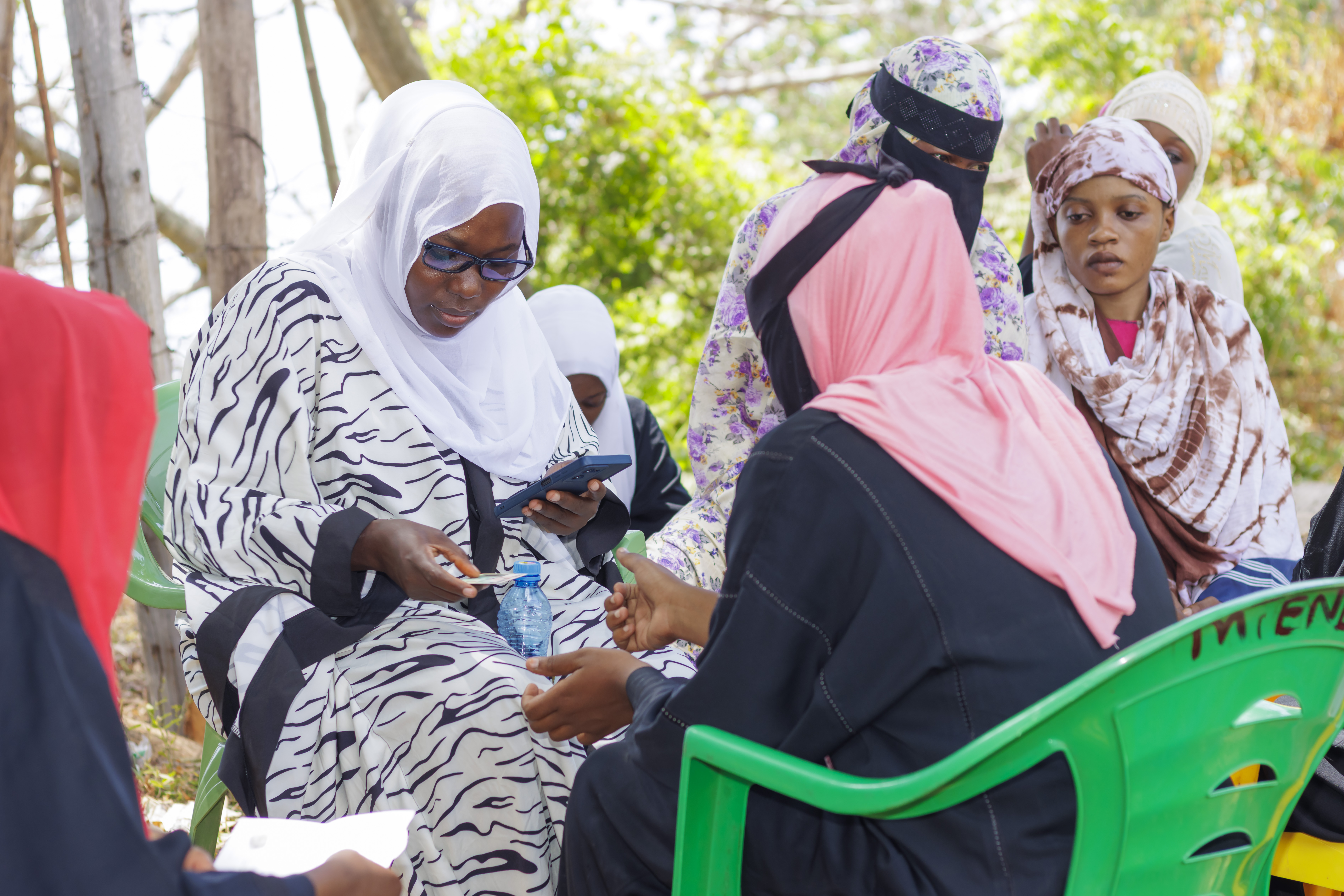
In Kenya’s coastal communities, local fisheries officers and Beach Management Units (BMUs) aren’t distant institutions, they are familiar leaders people already trust. Because they work side by side with communities to manage marine resources, they are natural bridges for sharing information and new economic opportunities.
So when mobilization happens through them, the message feels different. It doesn’t create confusion or hesitation. It builds trust and credibility and opens doors for participants to connect with mentors, peers, and community leaders laying the foundation for leadership development.
That trust matters most for women and youth, whose small businesses keep coastal economies running, yet who are often left out of formal support systems.
Inclusion Doesn’t Start With Training, It Starts With Engagement
Mwanasha Jecha, another community mobilizer has seen firsthand how this plays out.
During mobilization, she noticed something striking: people weren’t just curious they were ready. Women and youth showed up for registration eager to join the program.
“Most youth and women who showed up for registration are ready to gain skills and improve their businesses.”
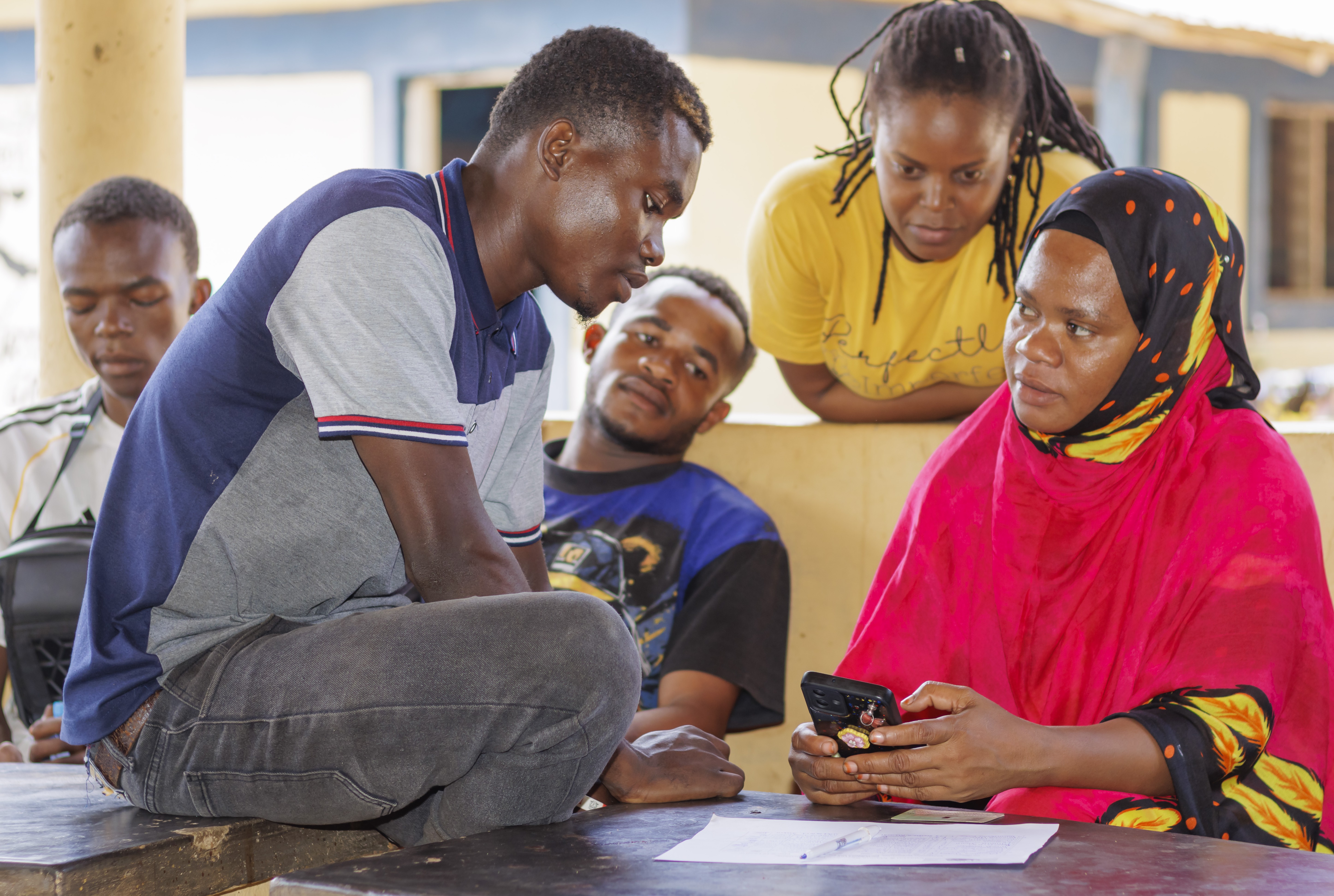
But being ready is not the same as being prepared. Mwanasha explains that mobilization is not a one-size-fits-all announcement. It is a targeted conversation that meets people where they are and begins cultivating leadership skills and peer networks even before formal training starts.
Mobilization Is Not Just Registration, It Is Confidence Building
Mobilization is also building local capacity.
Mwanasha shared that before this experience, she wasn’t comfortable speaking to groups. Now, she confidently explains BlueBiz Program opportunities and leads conversations, a skill that stays in the community long after the initial sessions.
This is the quiet, human side of transformation: confidence, trust, leadership, and networks taking root before technical skills are taught.
In this light, mobilization becomes more than a preparatory phase. It becomes:
- A space where inclusion is defined
- A place where communities claim ownership
- A foundation on which training, enterprise growth, and long-term resilience are built
Before training begins, communities are already informed, engaged, and ready to take the next step.
And when opportunity arrives through trusted voices — local leaders, familiar governance structures, and people who understand everyday realities — participation turns into ownership.
This work is part of the Mastercard Foundation BlueBiz Program in partnership with TechnoServe which supports young women and men in Kenya’s coastal region to build sustainable enterprises within the blue economy.