.png)



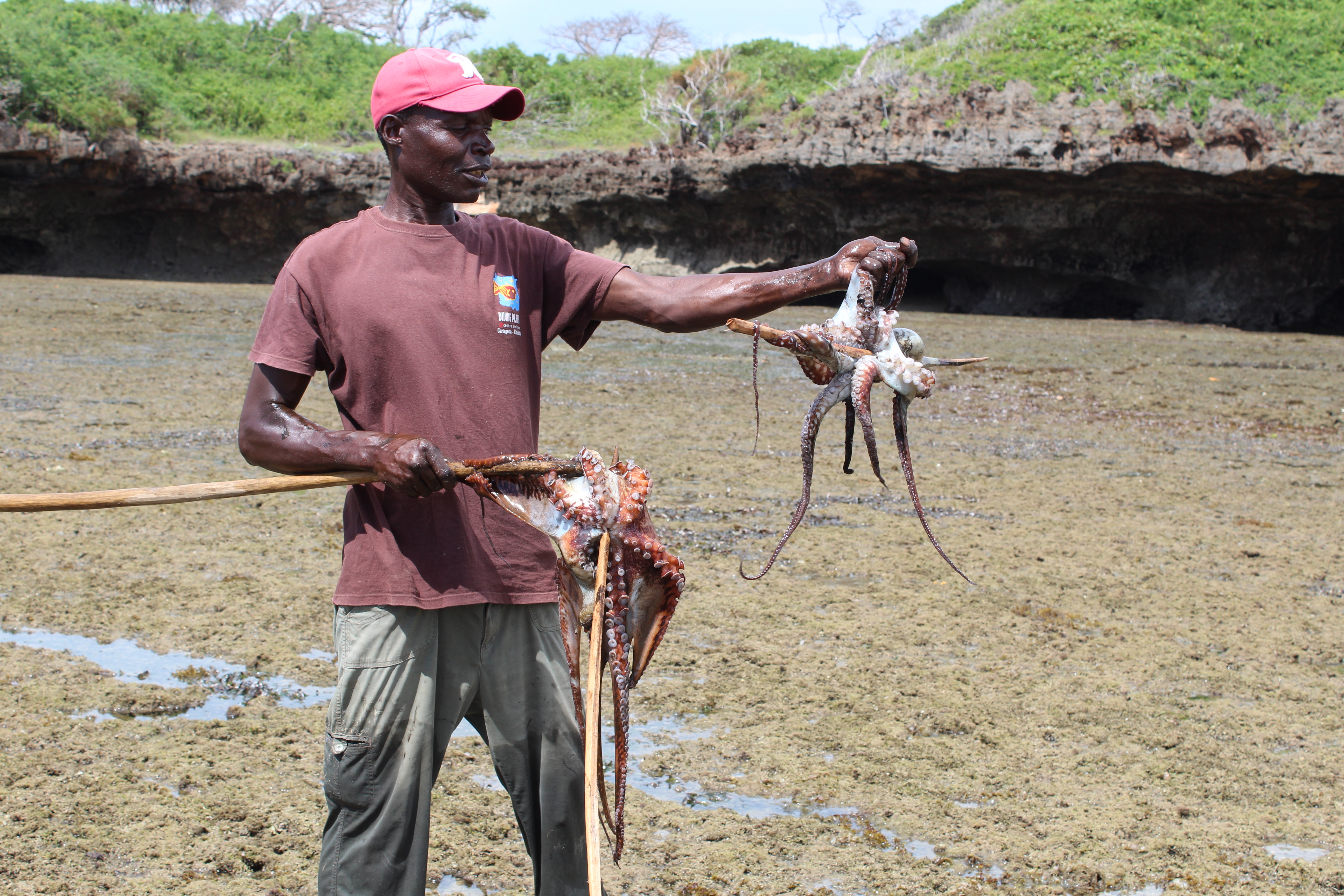
Artisanal fisheries play a vital role in enhancing food security and supporting livelihoods along the Kenyan coast, accounting for 94% of total landings. In Kwale County alone, artisanal fisheries contribute nearly a third (31.84%) of Kenya’s marine artisanal landings. Yet, behind this contribution lies a persistent challenge: a significant portion of the fish caught never makes it to the market due to post-harvest losses. These losses occur during production, handling, and distribution, leading to reduced income, increased food insecurity, and wasted efforts.
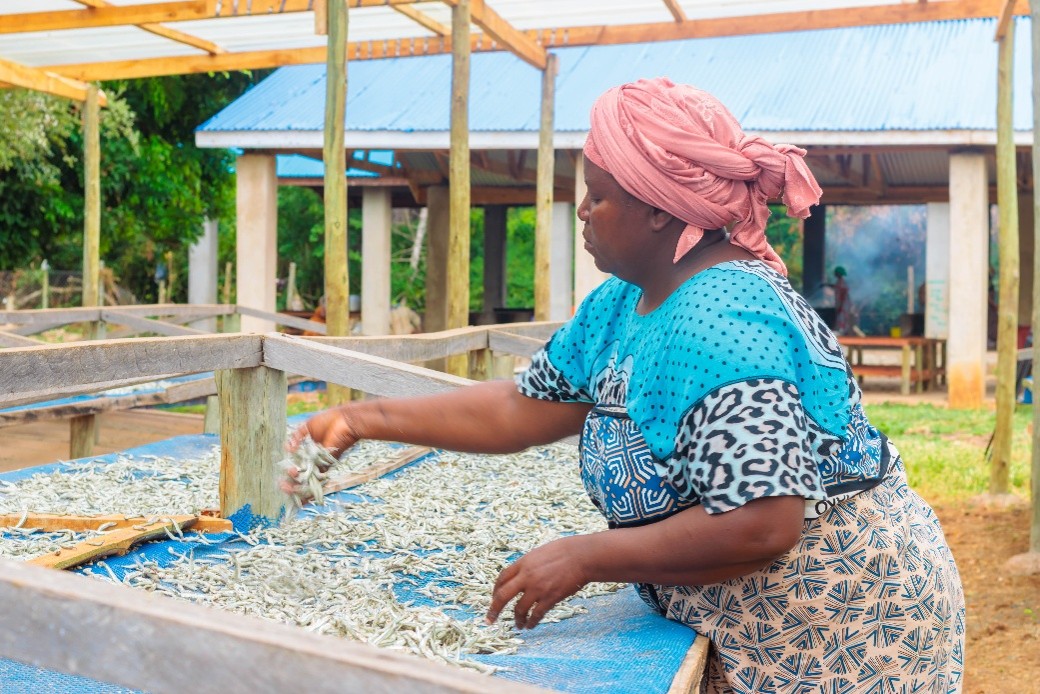
While efforts to reduce post-harvest losses have largely focused on fishermen and mama karanga (small-scale processors), fish traders, who play a vital role in linking catch to consumer, have often been overlooked. These traders form the backbone of the fish value chain, ensuring that fresh fish reaches our plates every day. Yet, despite their critical role, they face significant challenges, particularly in preserving fish due to inadequate access to cooling technologies.
Lighting the way with samaki-Sokoni Initiative
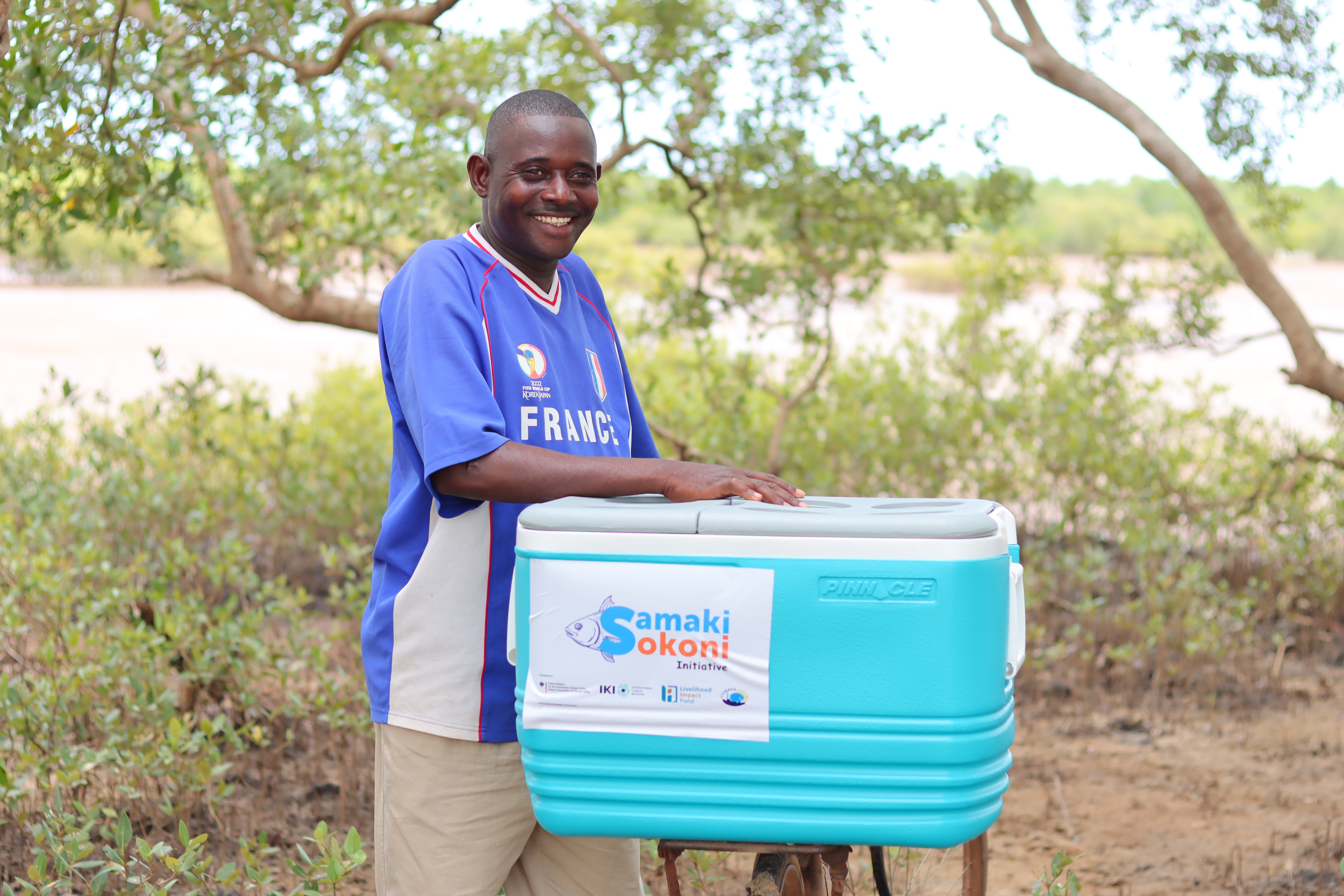
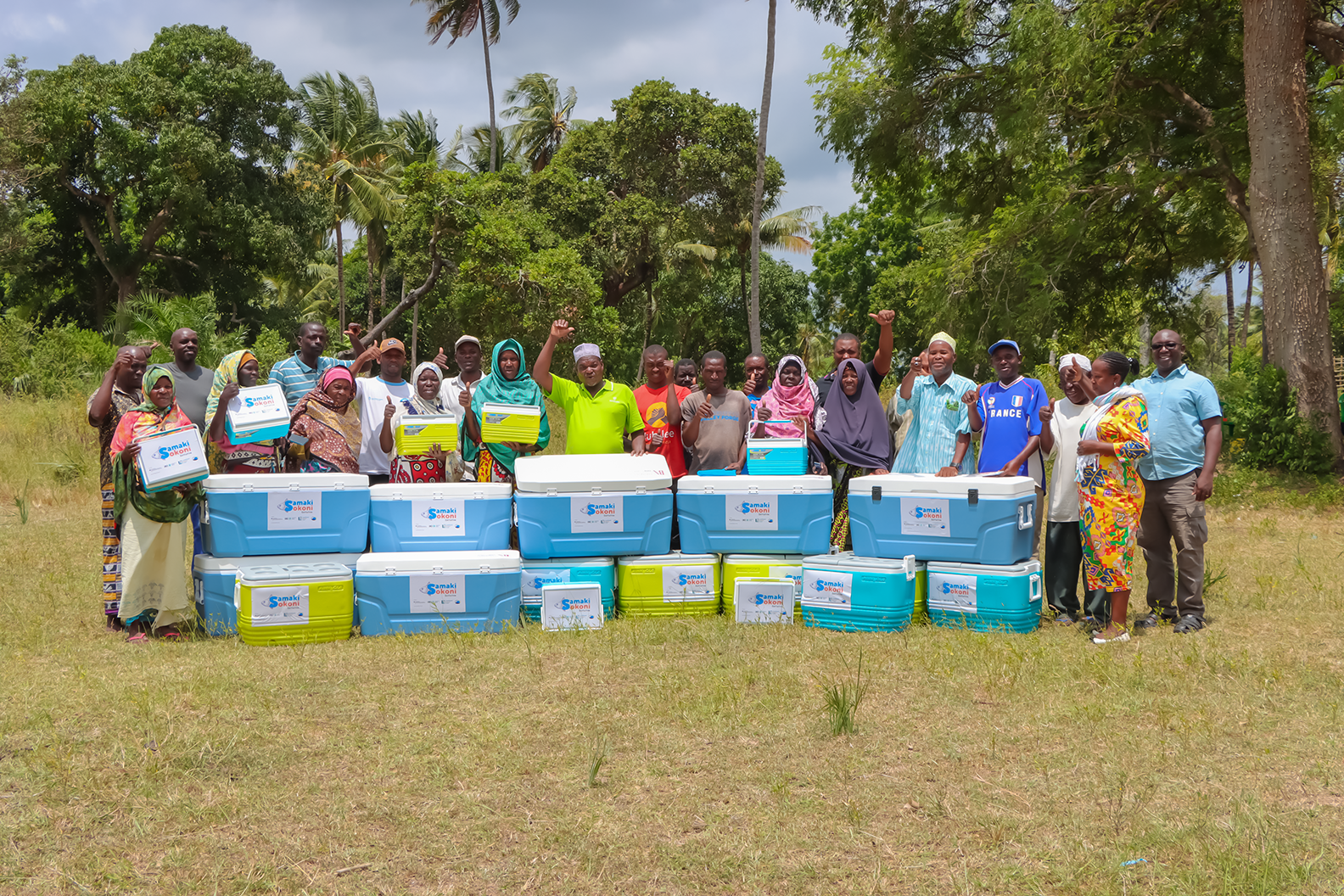
To change this narrative, COMRED launched the Samaki-Sokoni (Fish to Market) initiative to empower fish traders and reduce post-harvest losses in Kwale County. In the first phase of the initiative (2025), we reached 50 fish traders from Shimoni, Vanga, and Mkunguni BMUs, providing 37 cooler boxes and one solar-powered freezer in 2025. Building on this momentum, in January 2026 we issued 22 cooler boxes (to 10 women and 12 men) to the Majoreni fishmonger group, bringing the total number of cooler boxes donated by the initiative to 61. This equipment will help traders preserve fish longer, improve fish quality, and reduce losses caused by spoilage.
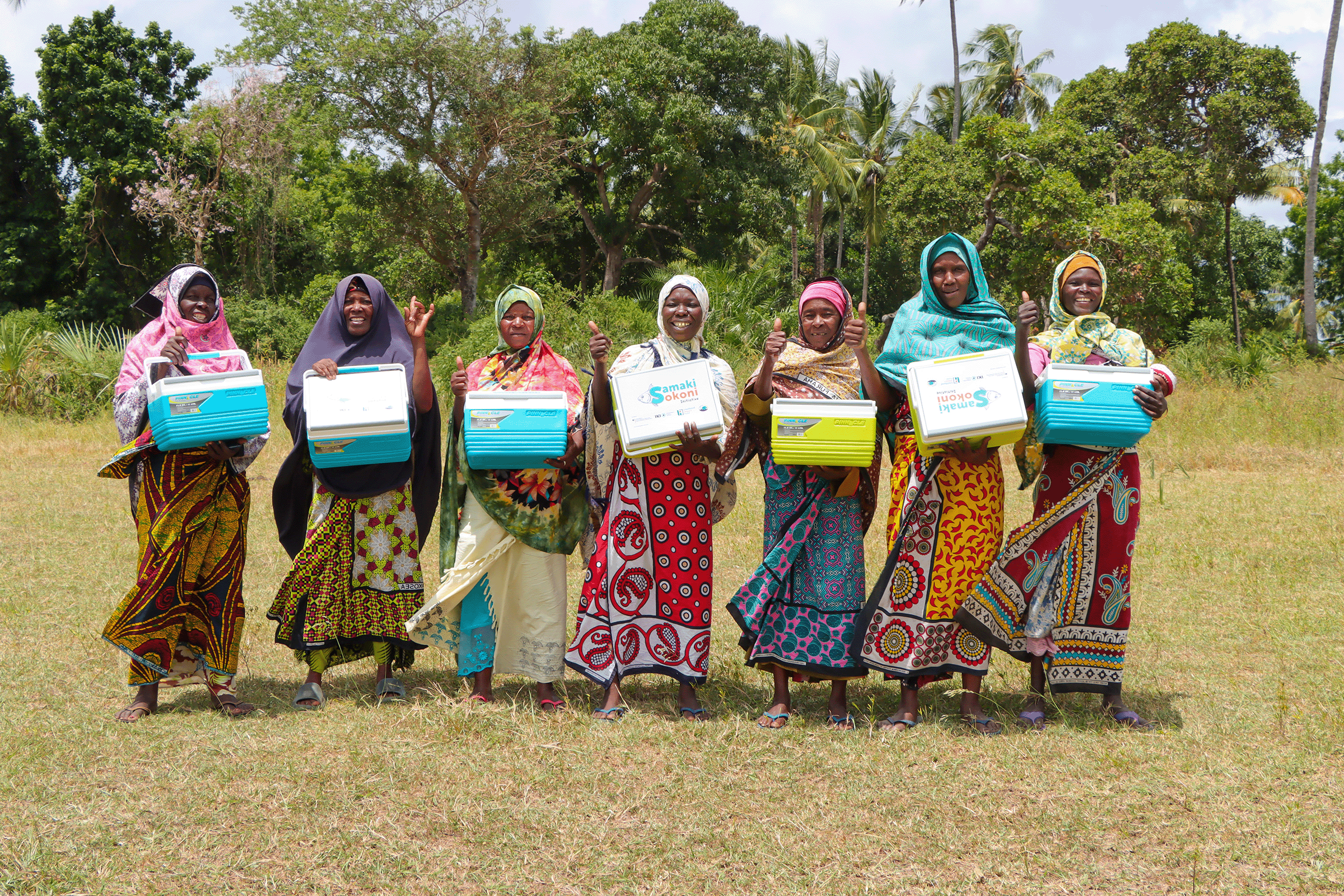
“This is the first time we have received support as fish traders in the last 20 years. Most people focus on Mama Karanga and fishermen, and we are often overlooked. Receiving the cooler boxes and solar freezer will significantly reduce the number of fish lost while we wait for our fishermen at the landing site,” said Chairperson Mkunguni BMU.
Eco-credit groups: A sustainable financial boost
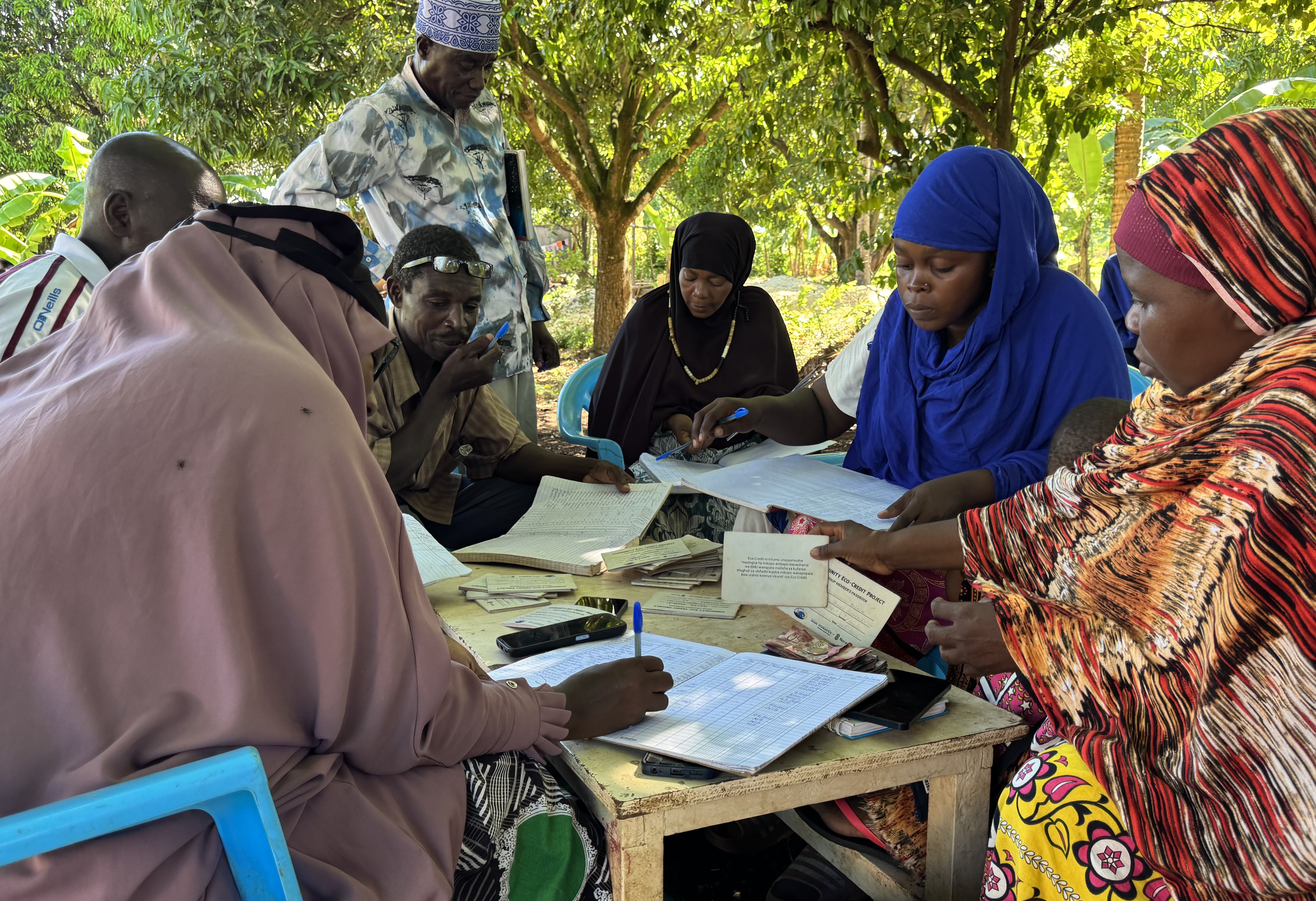
Access to capital is another pressing challenge for traders. This limited their ability to buy fish in bulk or invest in better handling. To address this, COMRED piloted an adapted Eco-credit model with fish traders in Shimoni and Vanga BMUs, resulting in the formation of two trader-focused Eco-credit groups. These groups, comprising 18 members in Shimoni, 16 members in Vanga, and 22 members in Majoreni, received cooler boxes as seed capital rather than cash.
Each trader contributes 40% of the cooler box value back into a group-managed revolving fund. This asset-based model not only encourages ownership and accountability but also builds group resilience and financial independence. COMRED further supported the groups by helping them draft constitutions and elect leaders to guide their operations transparently and effectively.
With access to affordable credit, traders can now purchase fish in larger volumes, improve preservation, and ultimately increase their incomes and strengthen livelihoods while boosting the efficiency of the fish value chain.
Transforming the fish value chain, one trader at a time
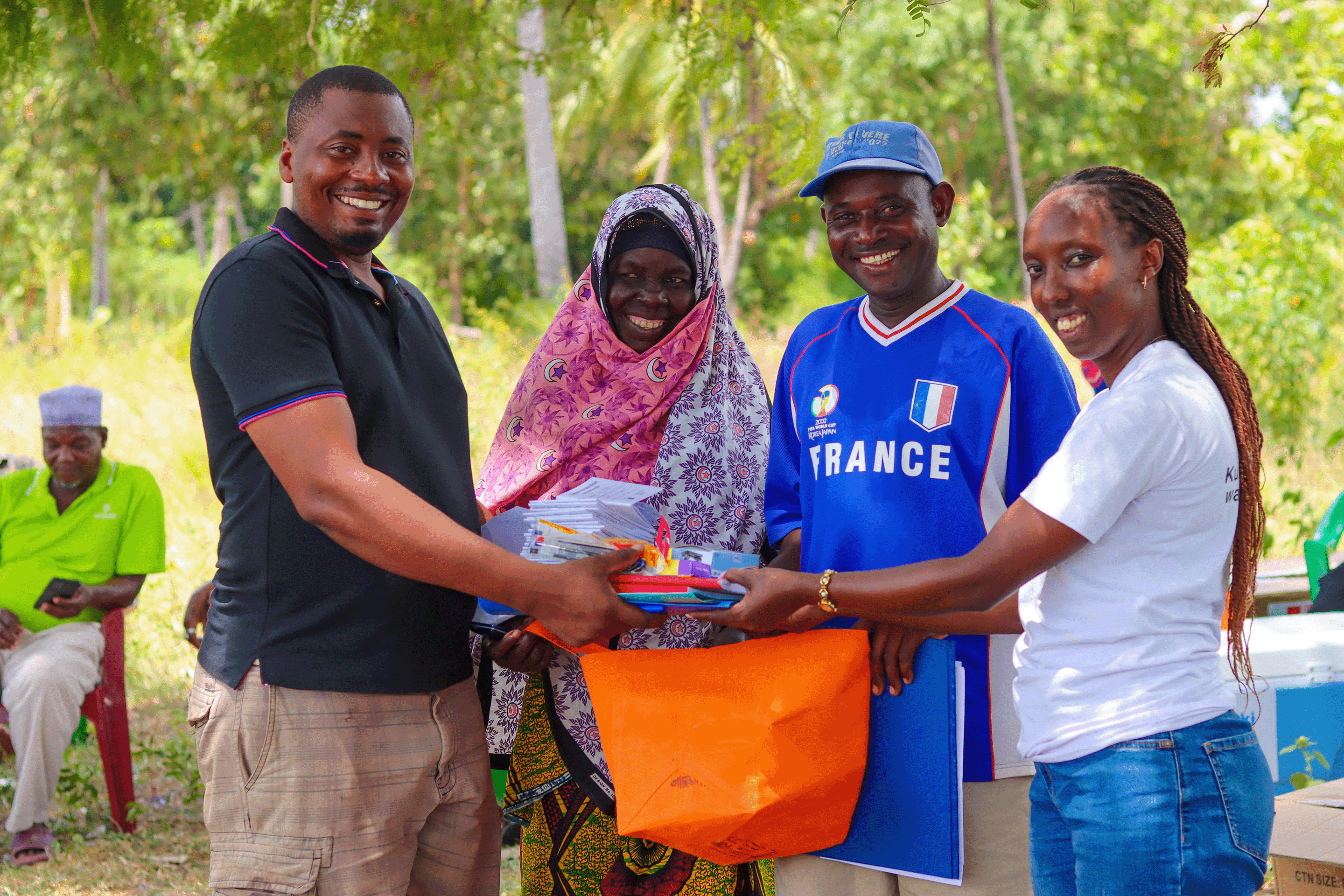
By working with organized groups rather than individuals, COMRED has been able to maximize impact and stretch out limited resources. For example, the solar freezer and cooler boxes in Mkunguni were shared among traders’ groups, ensuring broader benefit and better coordination. Groups also provide an ideal platform for introducing additional support like business training and market linkages, making the model both scalable and sustainable.
A Step toward sustainability
Samaki-Sokoni isn’t just about reducing post-harvest loss; it’s about empowering coastal communities and improving livelihoods. Through this initiative, COMRED is contributing to SDG 1 (No poverty) and SDG 12 (Responsible consumption and production).
Artisanal fisheries have the potential to feed families, sustain communities, and drive local economies. It is therefore crucial that the players in the fish value chain are supported. By supporting fish traders, we are not only preserving fish but also futures. Join us in making sustainable fisheries a reality.