.png)



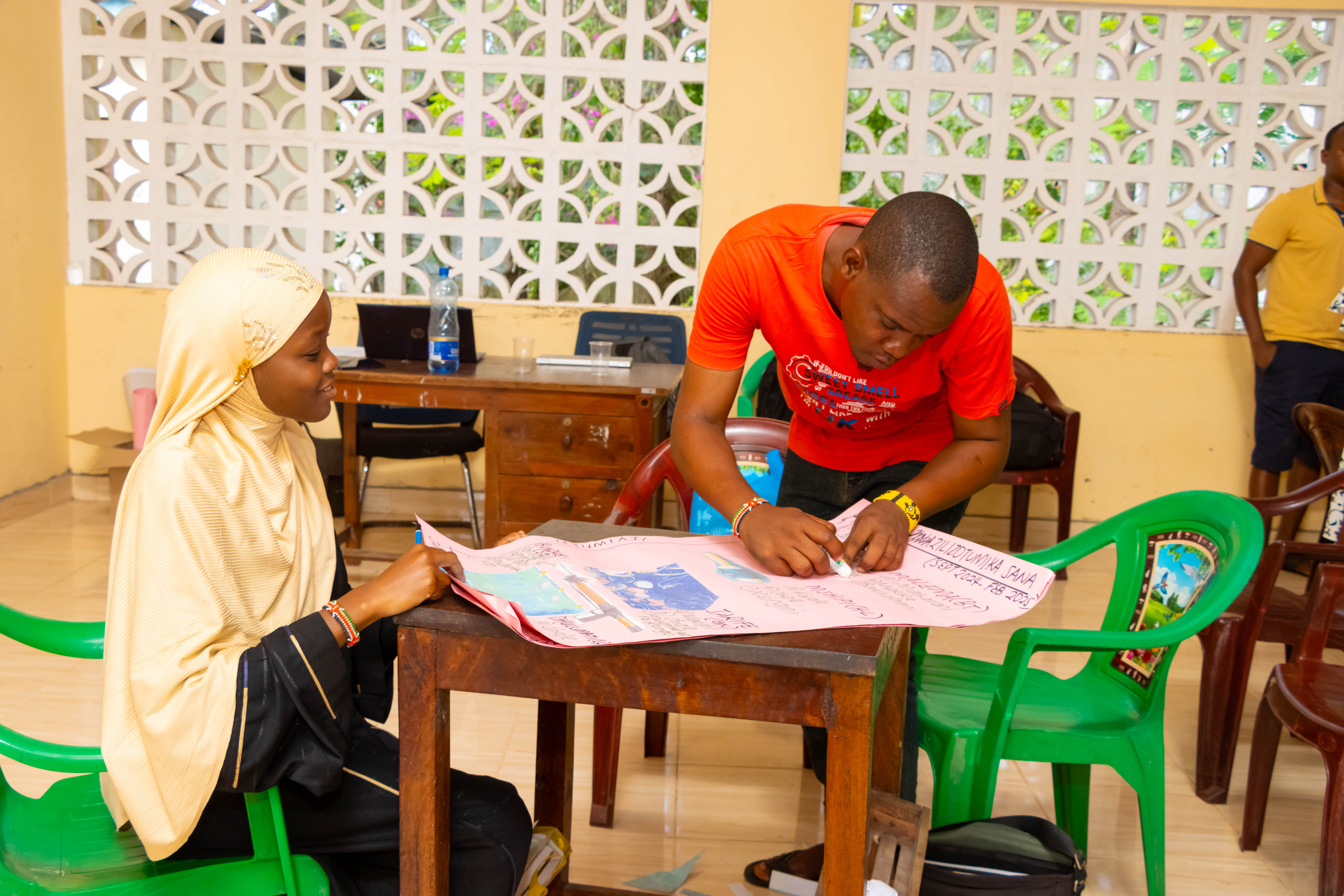
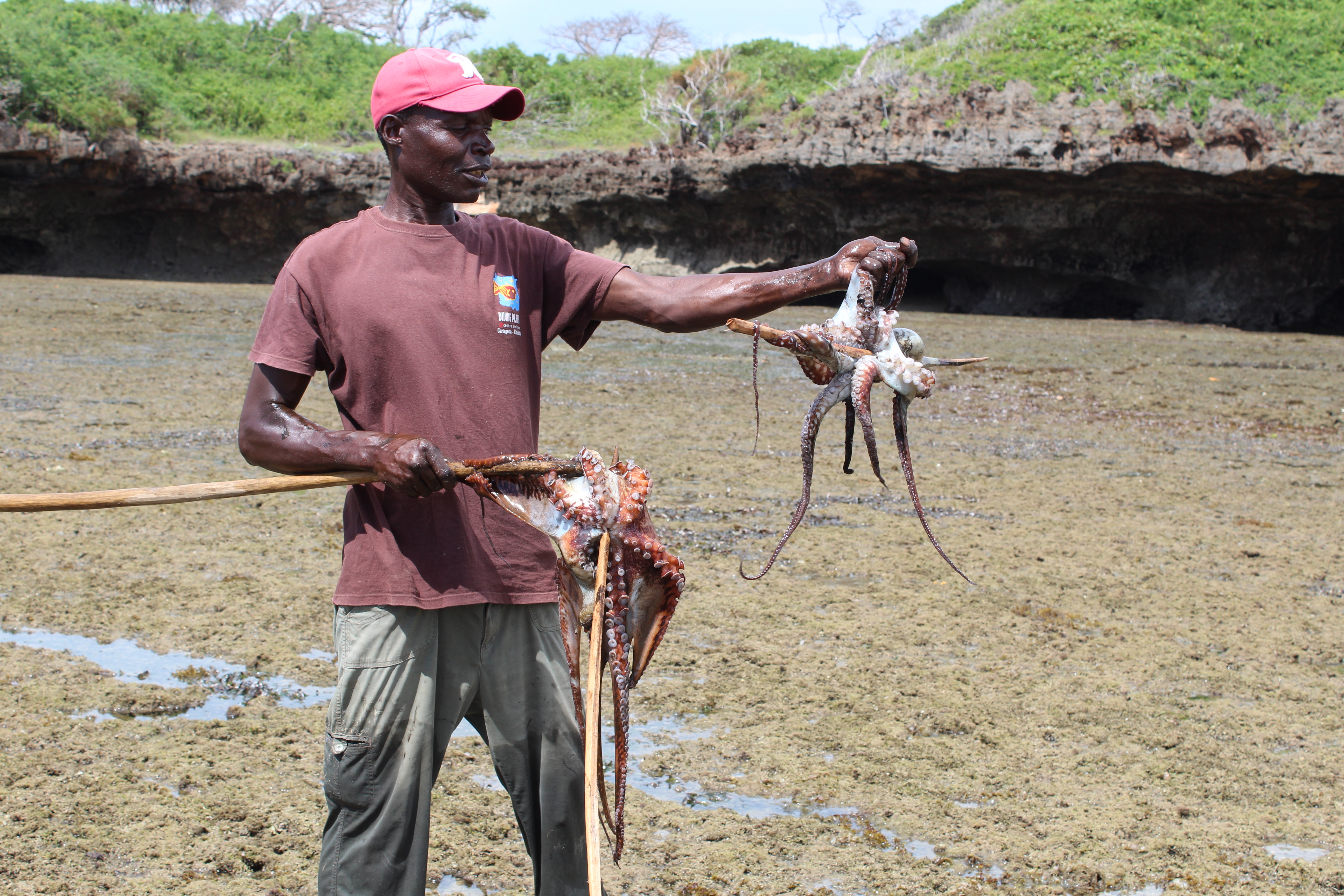
For over 20 years, Hamisi Omaru has navigated the waters of Kwale County, relying on his experience to understand the ocean’s seasons. But even for a veteran fisher, there is a difference between "knowing" and "proving." As Hamisi notes,
"Without the data, sometimes you can think in a certain month there has been a huge catch... but surprisingly the data proves otherwise".
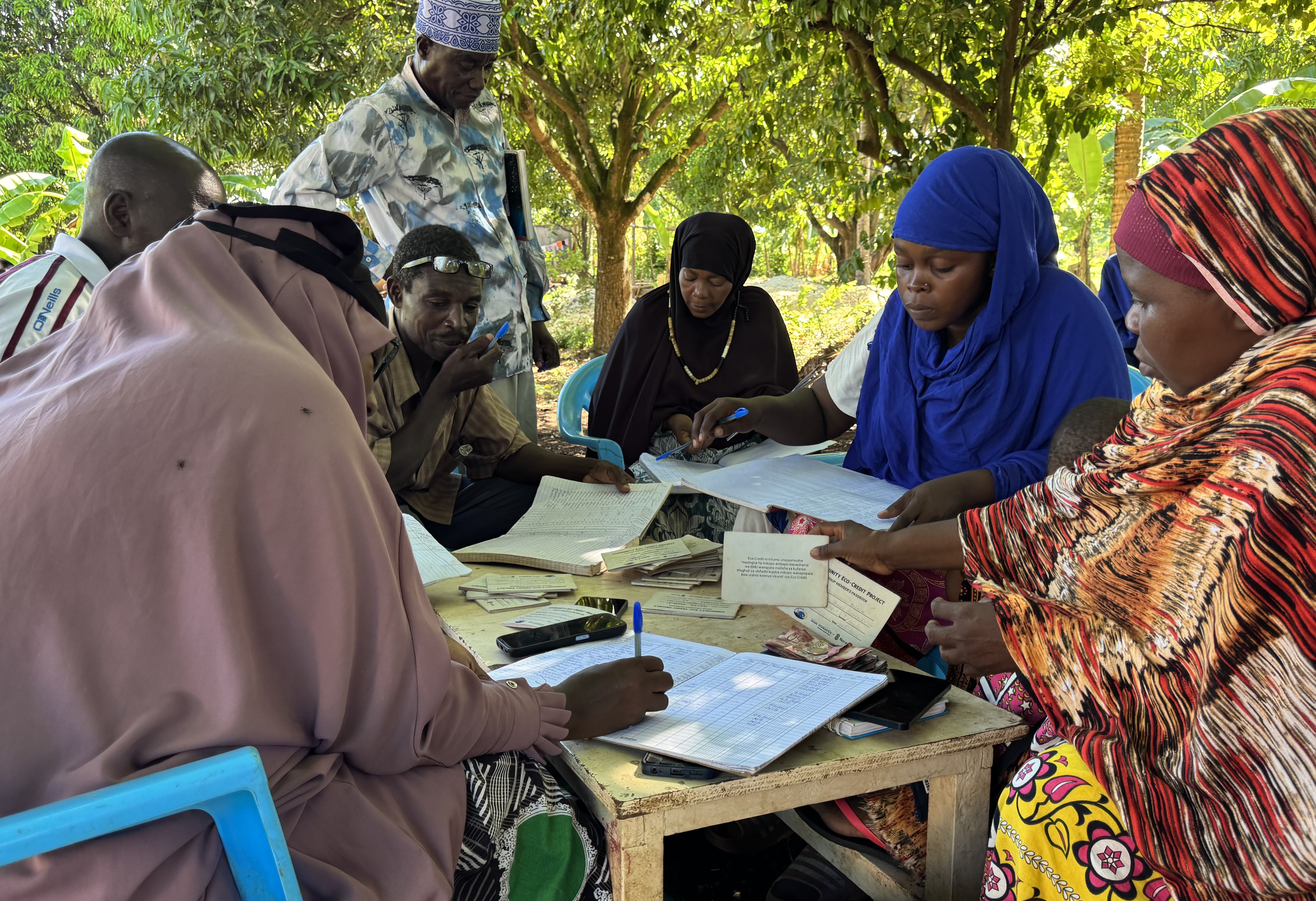
At Mkunguni BMU, the community is moving beyond simple observation. They are using "richer" data which moves beyond just recording weight to capturing a deeper set of information to verify their reality, challenge their perceptions, and ultimately attract the investment needed to grow their local economy.
The "Tafi" Economy
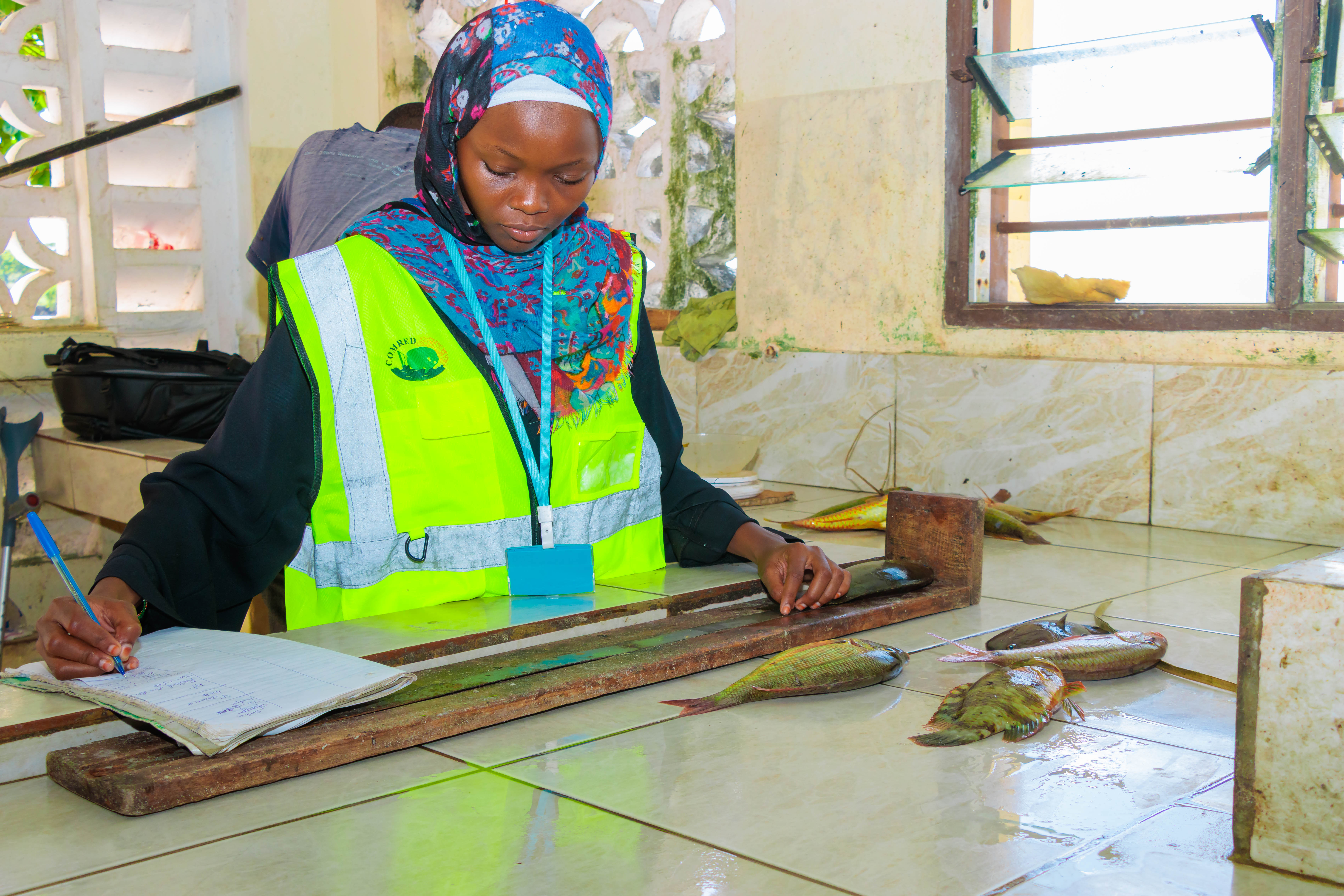
When the Mkunguni community reviewed their data, they saw a precise reflection of their daily lives. The numbers confirmed that Rabbit Fish (Tafi) is the backbone of their economy, accounting for 54.2% of all landings, followed by emperors (Changu) at 22%.
This data does more than just list species; it validates the community's choice of sustainable gears, such as fish traps (Malema) which aligns perfectly with these high-value catches. Based on scientifically sampled data from selected boats, the BMU is landing on average 2,467.01 kg of fish per month, bringing in KES 730,487.18 (approx. $5,619 USD). For the first time, this collective wealth is visible and verifiable, with Hamisi noting that while the seasons weren't surprising, the amount of money the fishers bring in was an eye-opening revelation.
Solving the "Missing Data" Puzzle
One of the most significant breakthroughs during the Mkunguni feedback session was the realization that their data was incomplete. Abdalla Ali Tsembea, a fish trader for 15 years and a former BMU secretary, pointed out a gap: data collectors were often missing the catches of fishers who arrive very early in the morning or late at night.
Rather than seeing this as a failure, the community turned it into a strategy to get a "full picture". They recommended leveraging fish dealers to record data even after the fishers have left the landing site. This shift has turned traders like Abdalla into "indirect data collectors," ensuring that majority of the fish landed is accounted for.
A Future the Community Can Predict
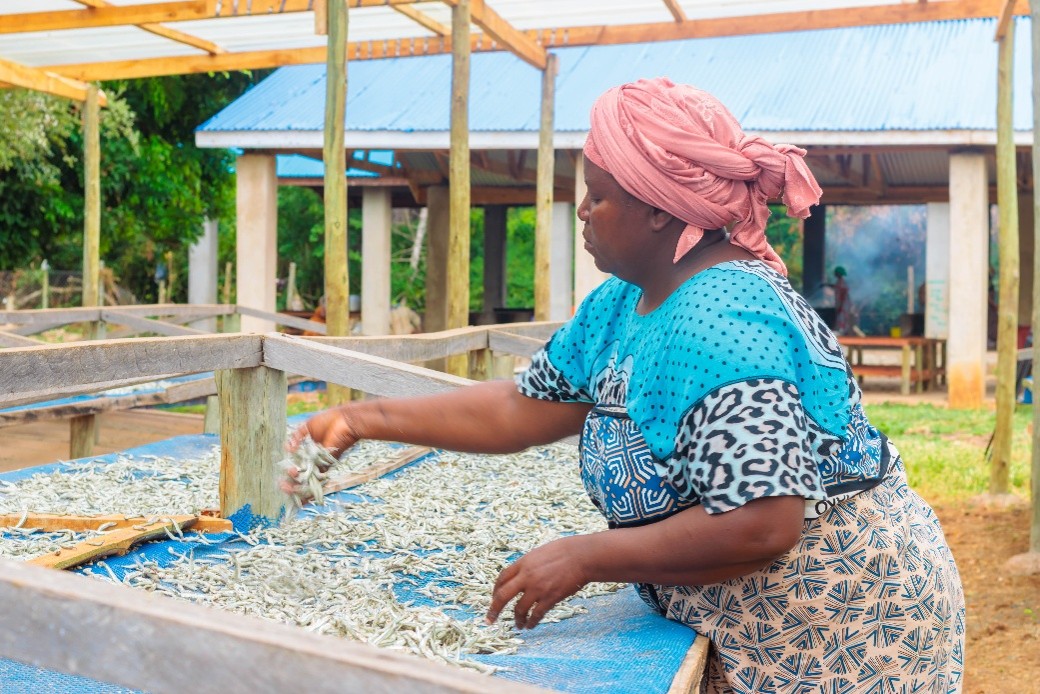
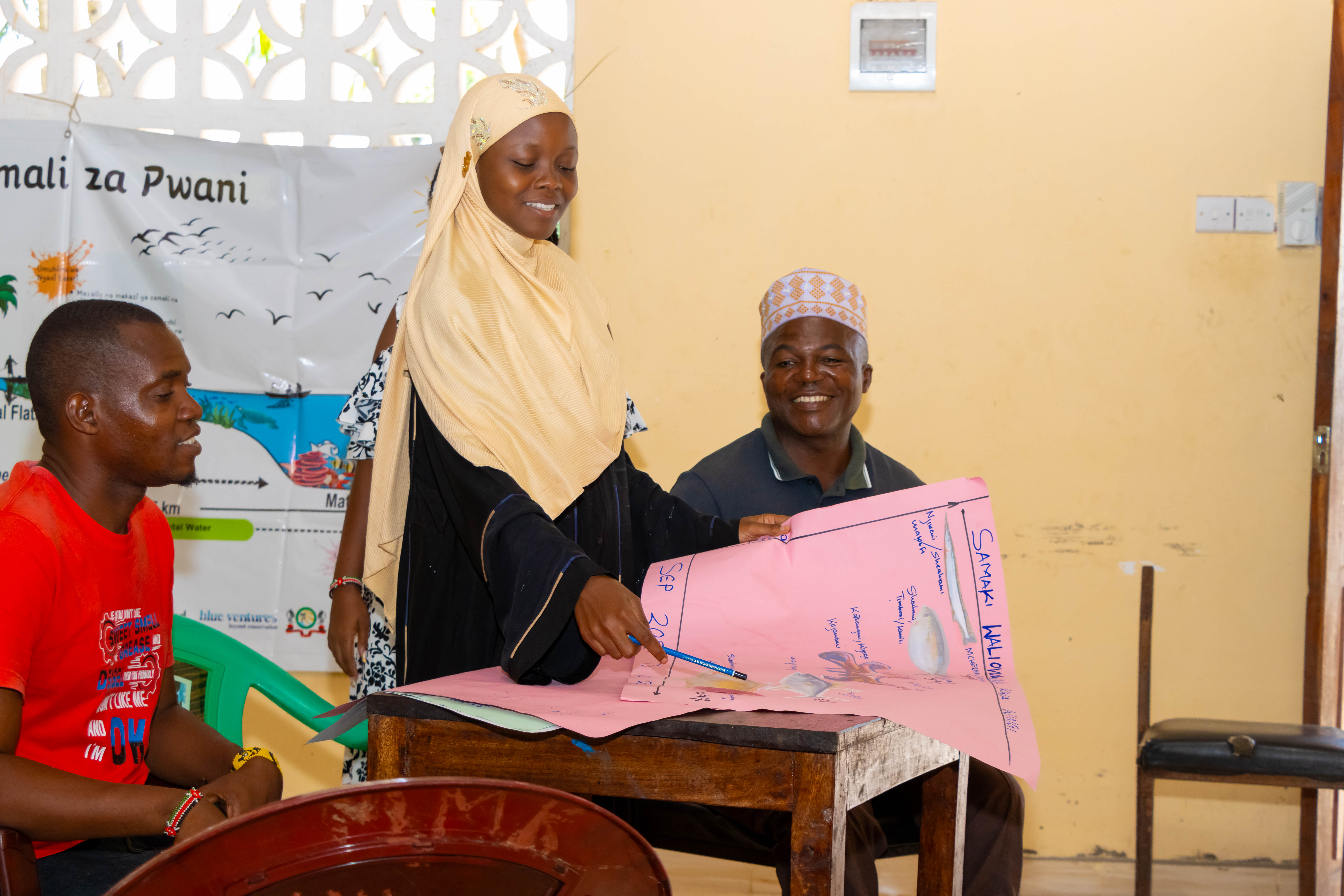
The impact of this data ownership extends to every level of the BMU. Mama Karanga (small-scale fish processors) reported being "happy to be involved" because the data helps them in predicting future catches. By understanding the seasonality of the fish, these traders can better plan their business income and household stability for the months ahead.
This ability to predict and verify is what makes a community investable. As Hamisi Omaru observed,
"I have seen organizations invest in us for the mere fact that they can see and verify our data".
By identifying their own data gaps and bringing traders into the collection process, Mkunguni is proving its readiness for partnerships.
This work is generously supported by Blue Ventures through the Frontline Community Fund