.png)


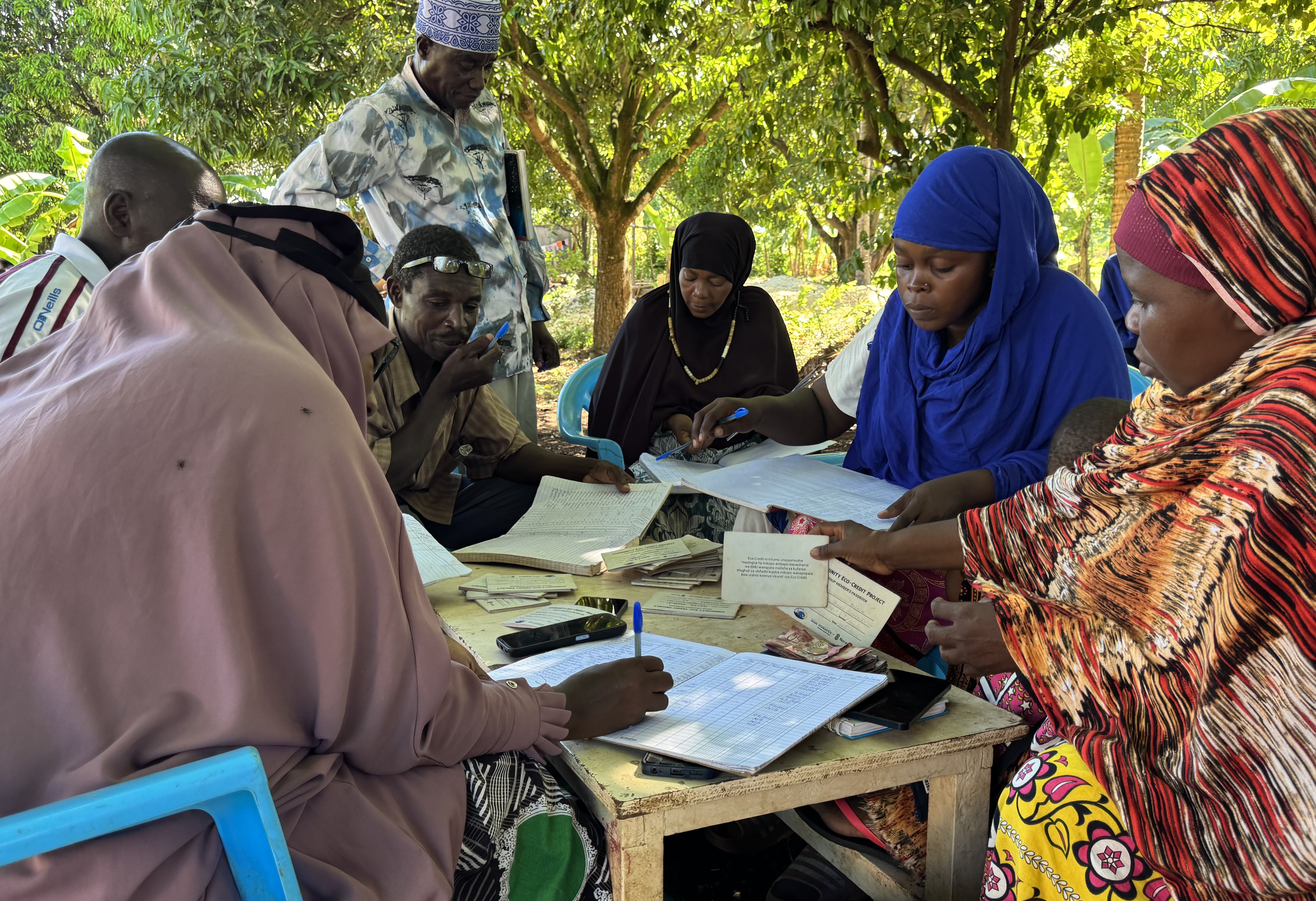
During one of our Eco-credit group monitoring visits, a group leader approached me privately.
"We have a challenge in our Eco-credit group and need your help to address it.”
The group had been operating well for more than three years, so I did not expect that a disagreement between two of the leaders would eventually affect the wider group.
As the disagreement continued, it began to affect trust among the members. We spent time with the group trying to understand the concerns and support the members to work through them. I believed they could resolve the conflict because they had worked well together for years and had overcome disagreements before.
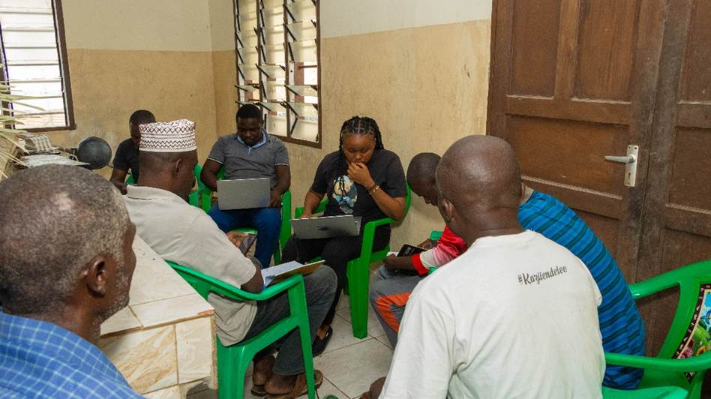
Eventually, the members decided that separating was the way forward.
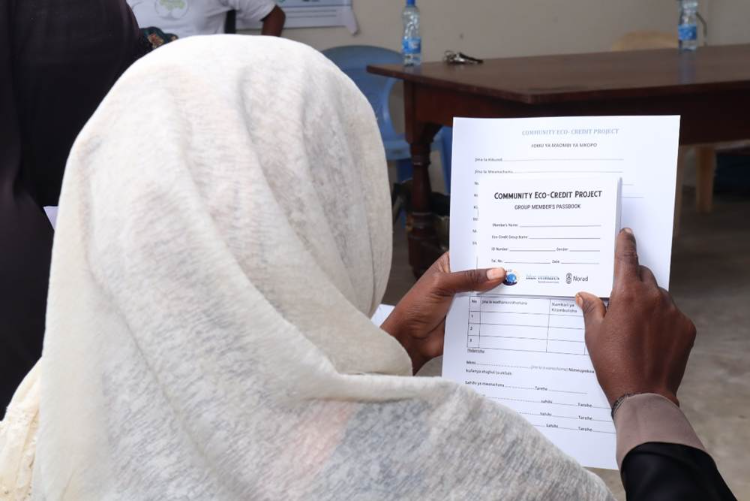
This meant more than simply forming two groups. We had to review the group’s financial records and determine how the seed grant they had received, together with the capital they had built over time, would be divided. The calculation also considered outstanding loans, so the two groups did not receive equal amounts.
At first, I saw the split as a kind of failure. I had expected that our support would help the group resolve the conflict and remain together. I was also concerned that dividing the seed grant and the capital they had built over time would leave two smaller groups with less money available for members to borrow.
We continued following up with both groups after the split.
During a follow-up visit with one of the groups, one of the leaders said something I did not expect:
" I am happy that you are still following up with us because we felt that you had taken sides during the group meetings to resolve our conflicts. We reached a point where we were okay if you did not want to support us anymore.”
I thought about his feedback. We had tried to support a process where decisions about the group were discussed and agreed upon by the members. But trying to be fair does not mean that everyone involved in a conflict will feel that you are fair to them.
It also made me reflect on how much we may not know when we step into a conflict. We were responding to what the members shared with us at the time, but there may have been other dynamics between the leaders that we did not fully understand. The disagreement may have been deeper than what we were able to see.
This experience made me realize that I cannot always control how a situation will turn out. I had hoped the group would resolve its differences and remain together, but the members chose a different path.
What mattered to me afterwards was that the split did not mean the end of our relationship with the groups. We continued to follow up with both and provide the support they needed.
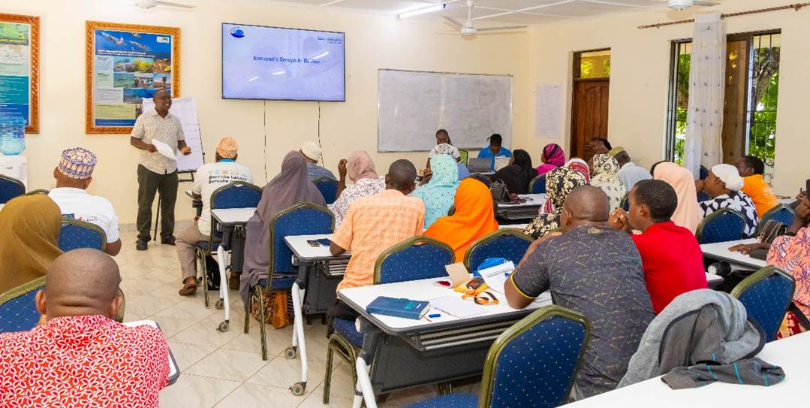
Today, one group is doing better, while the other is still finding its footing.
This experience reminded me that our role is not always to make things turn out the way we hoped. Sometimes, it is to listen, learn from what we may have missed, and continue supporting people even when the path they choose is different from the one we expected.
About this reflection
This is a personal reflection from Jane Muteti, COMRED’s Program Manager, based on her experience working community Eco-credit groups.