.png)


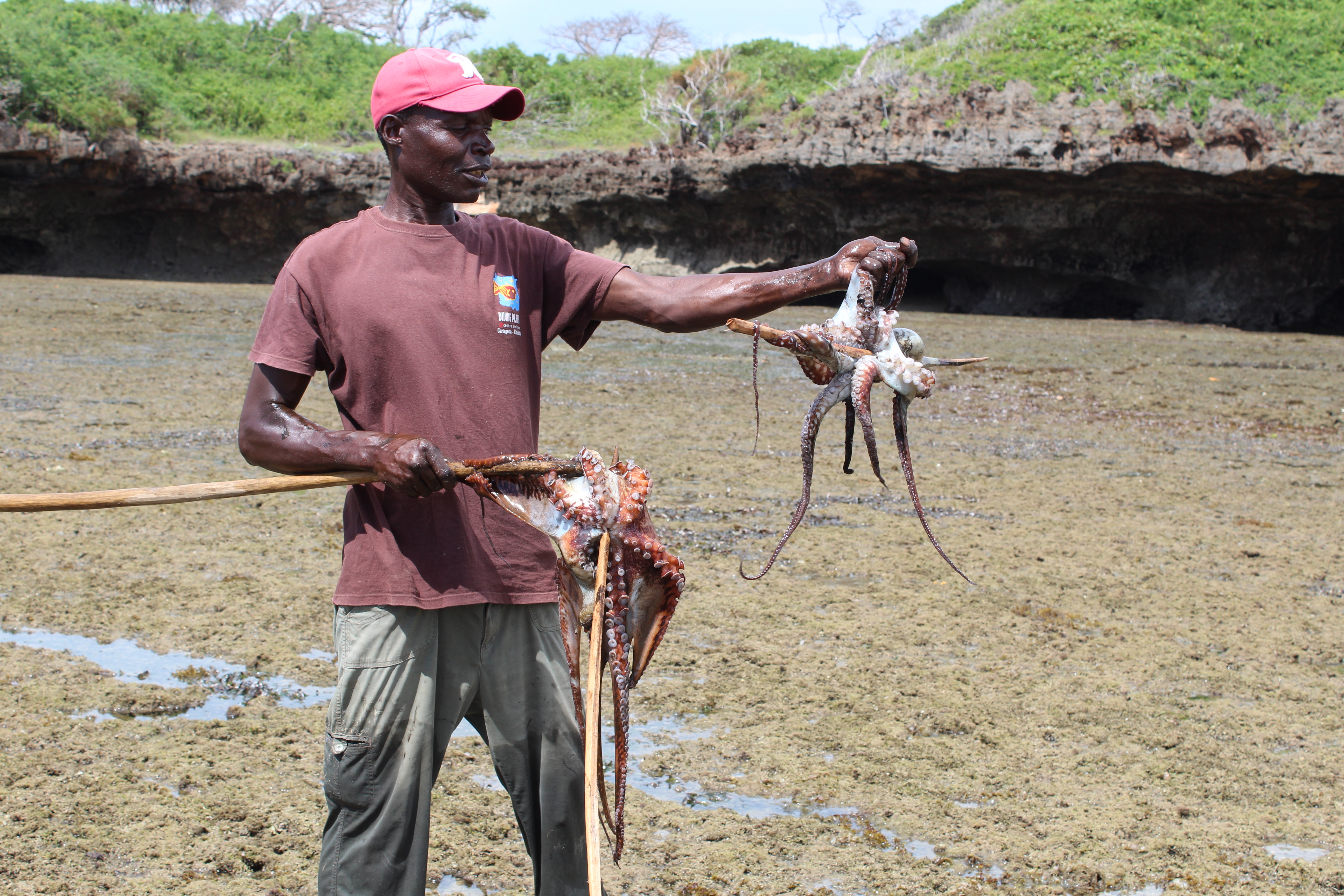
When I heard that one of the communities we work with wanted to try the octopus closure again, I found myself wondering whether we should support them.
They had tried before and failed. Once again, we supported revival of the closure the second time. This lasted for at least two years before poaching undermined the gains once again.
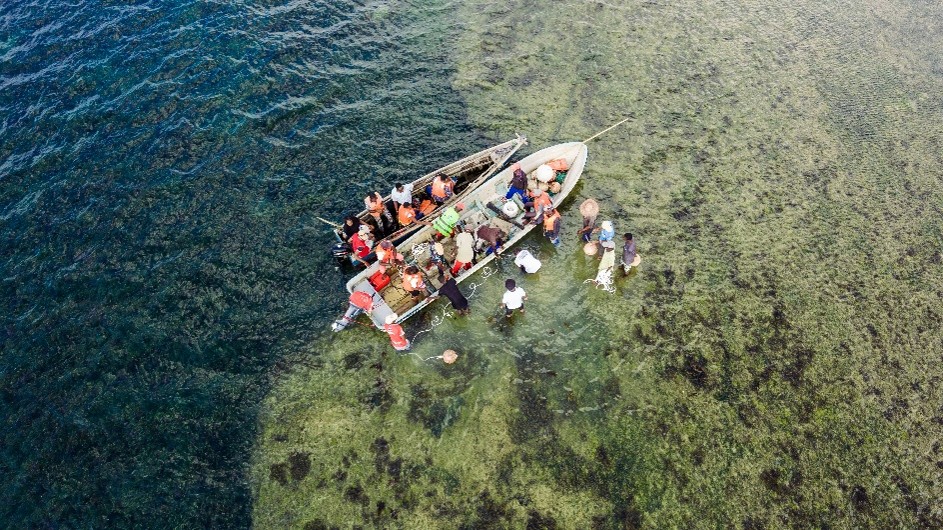
I knew how much time, effort and resources had gone into the second attempt. So, when the community wanted to try again, the question for me was not only whether they wanted to. It was whether we should support them to do it again.
I didn't have an easy answer.
But there were reasons to consider trying again. The community had seen what the second attempt could achieve. The closure area had started to recover, and increased octopus catches by 189% and thus brought economic benefits. They had experienced the value of protecting the area for themselves, and they wanted another chance to build on that experience.
They had also discussed what had gone wrong and how they could respond differently this time. Having managed the closure for more than two years, they had a better understanding of the challenges ahead, including unmet expectations around its benefits and the risks of poaching.
So, we supported them again.
This is now the third attempt.
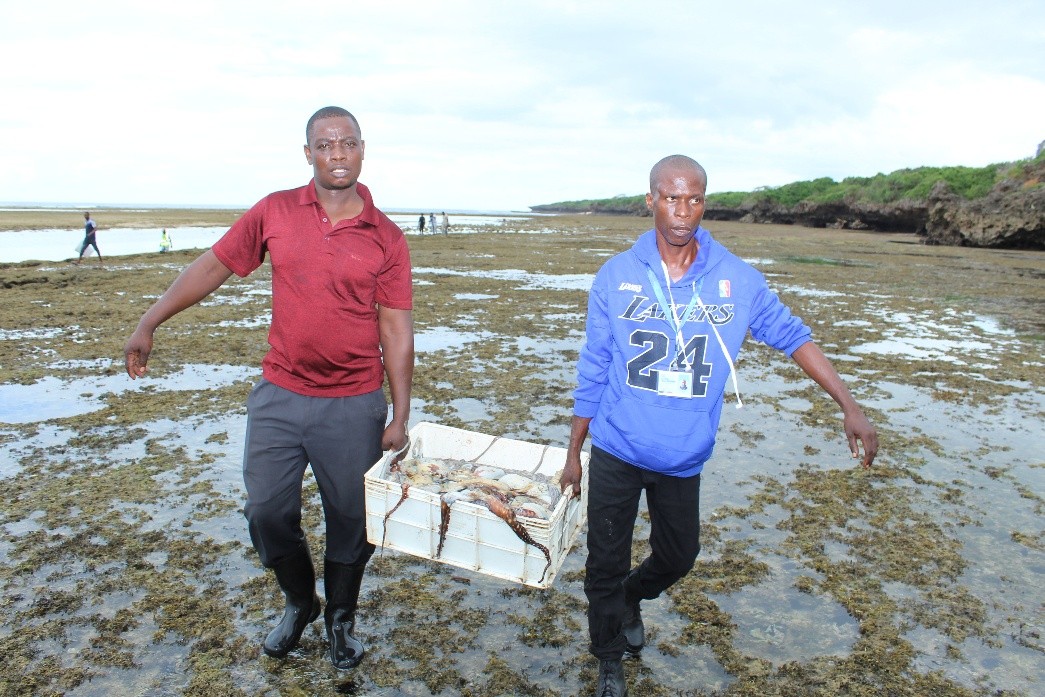
The experience has made me think differently about what keeps communities interested in conservation. In this case, the community had seen that protecting an area could bring both environmental and economic benefits. That experience mattered when they decided they wanted to try again.
It has also made me think differently about what we do when an intervention does not work as expected. A setback does not necessarily mean the idea has failed. Sometimes, it gives communities and those supporting them an opportunity to understand what went wrong, what needs to change, and whether there is still a reason to try again.
Questions ran through my mind: What happened? What did we learn? What has changed? And, given what we now know, is there a reason to try again?
For this community, the answer was yes. Since then, a lot of work was done including; new ecological baseline surveys, extensive awareness in surrounding villages, revival and training of the patrol team, negotiating and signing of community agreements that stipulate benefit-sharing, signing of Free Prior Informed Consent (FPIC). This gave us confidence to support the community.
About this reflection
This is a personal reflection from Jane Muteti, COMRED’s Program Manager, based on her experience working Munje community on Octopus closure.