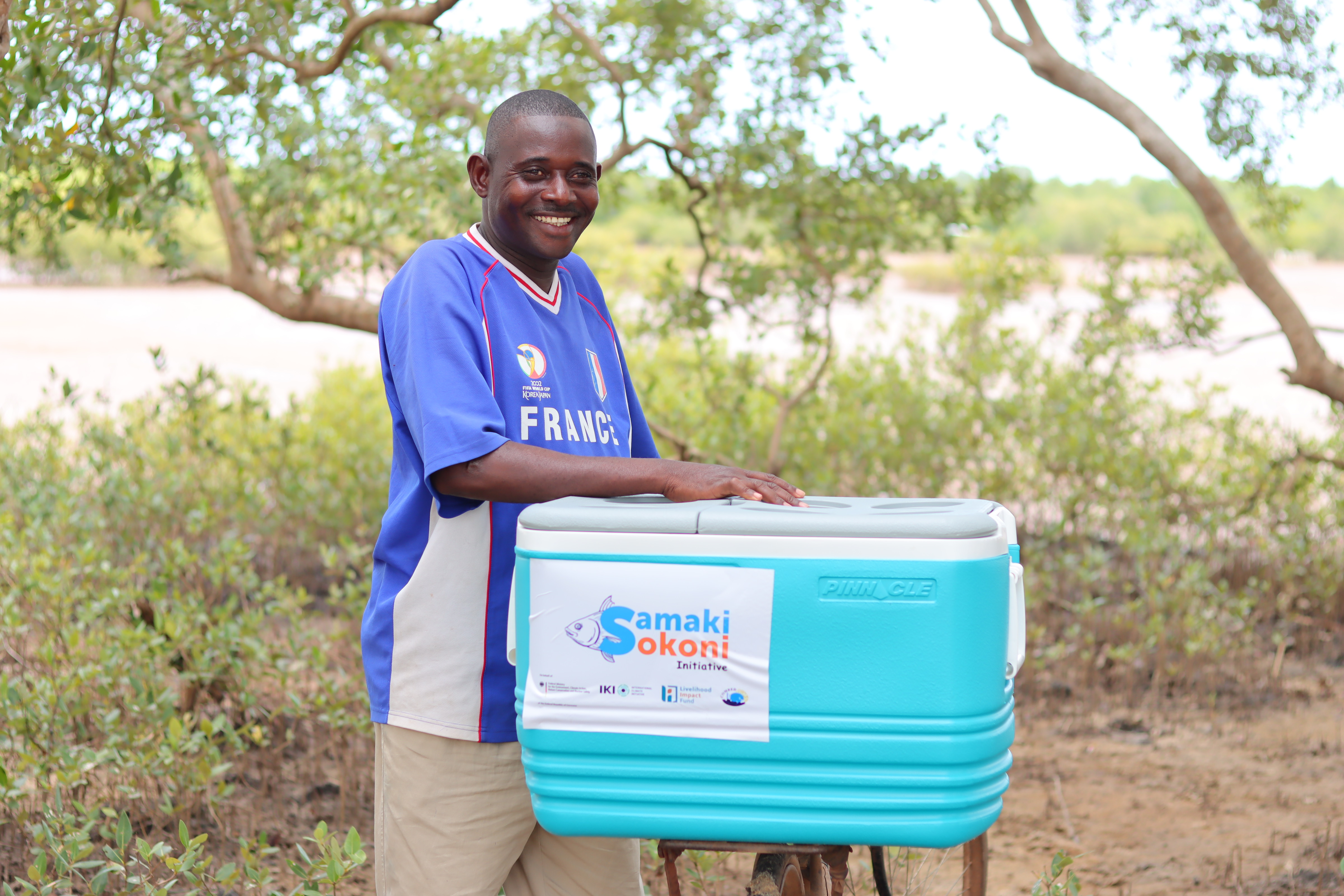
One fish trader along Kenya’s coast used to lose about one kilogram of fish for every ten kilograms handled. Poor icing meant some of the fish lost quality before it reached the buyer. After learning how to layer ice more effectively, the trader reported that those losses stopped. It is a small change in daily practice, but one with real implications for a business where every kilogram counts.
For fish traders, maintaining fish quality is only one part of running a business. They also have to manage money, understand market prices, retain customers, plan purchases, and decide what to do with their earnings. These responsibilities are closely connected. A trader may know how to preserve fish, but still struggle to invest in the equipment needed. Another may keep better financial records but face seasonal shortages that limit what they can buy and sell.
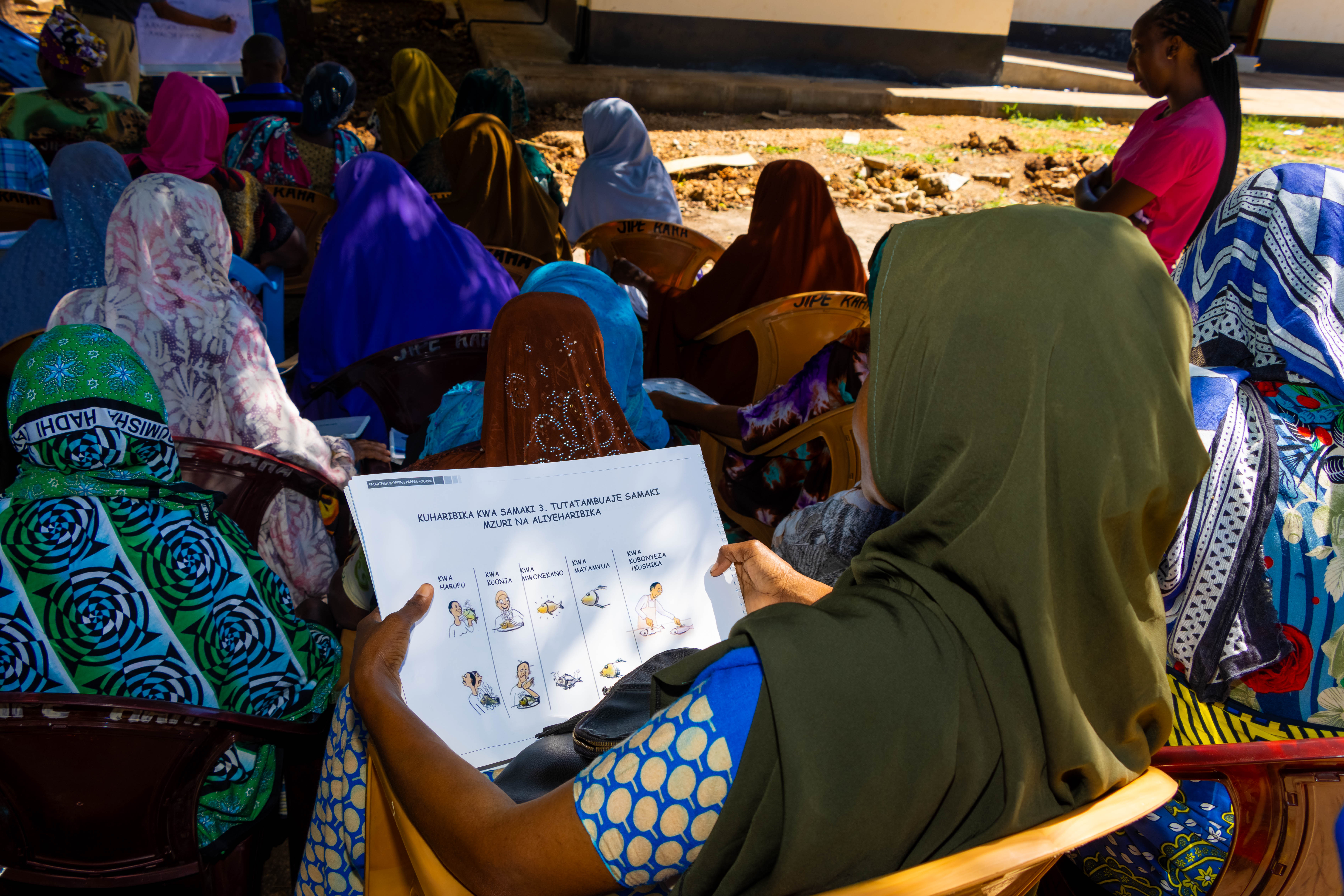
In Jimbo, Majoreni and Shimoni, two COMRED skills adoption surveys explored how traders are putting business management and financial literacy skills, alongside fish handling and hygiene practices, into their daily work.
Putting new knowledge to work
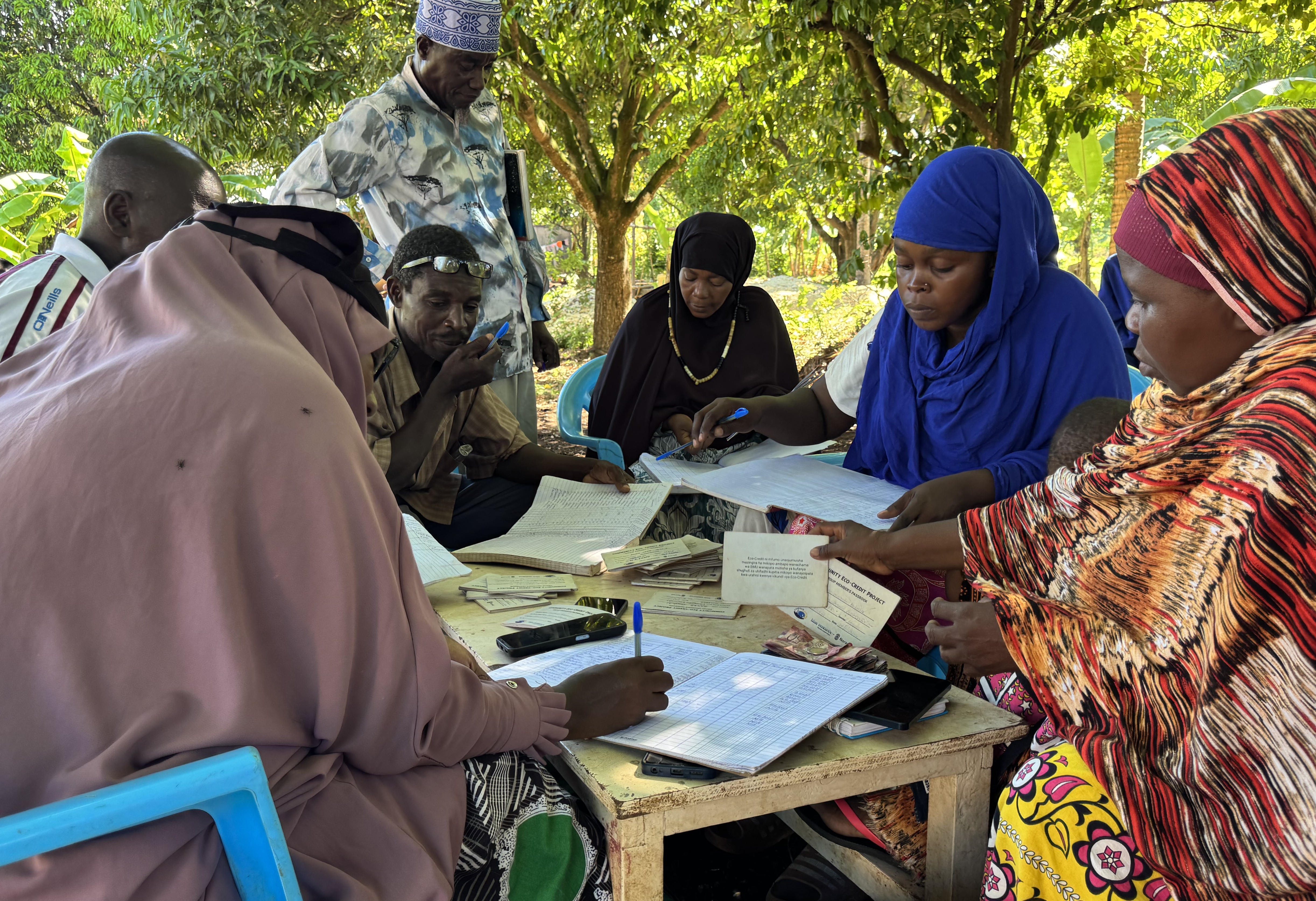
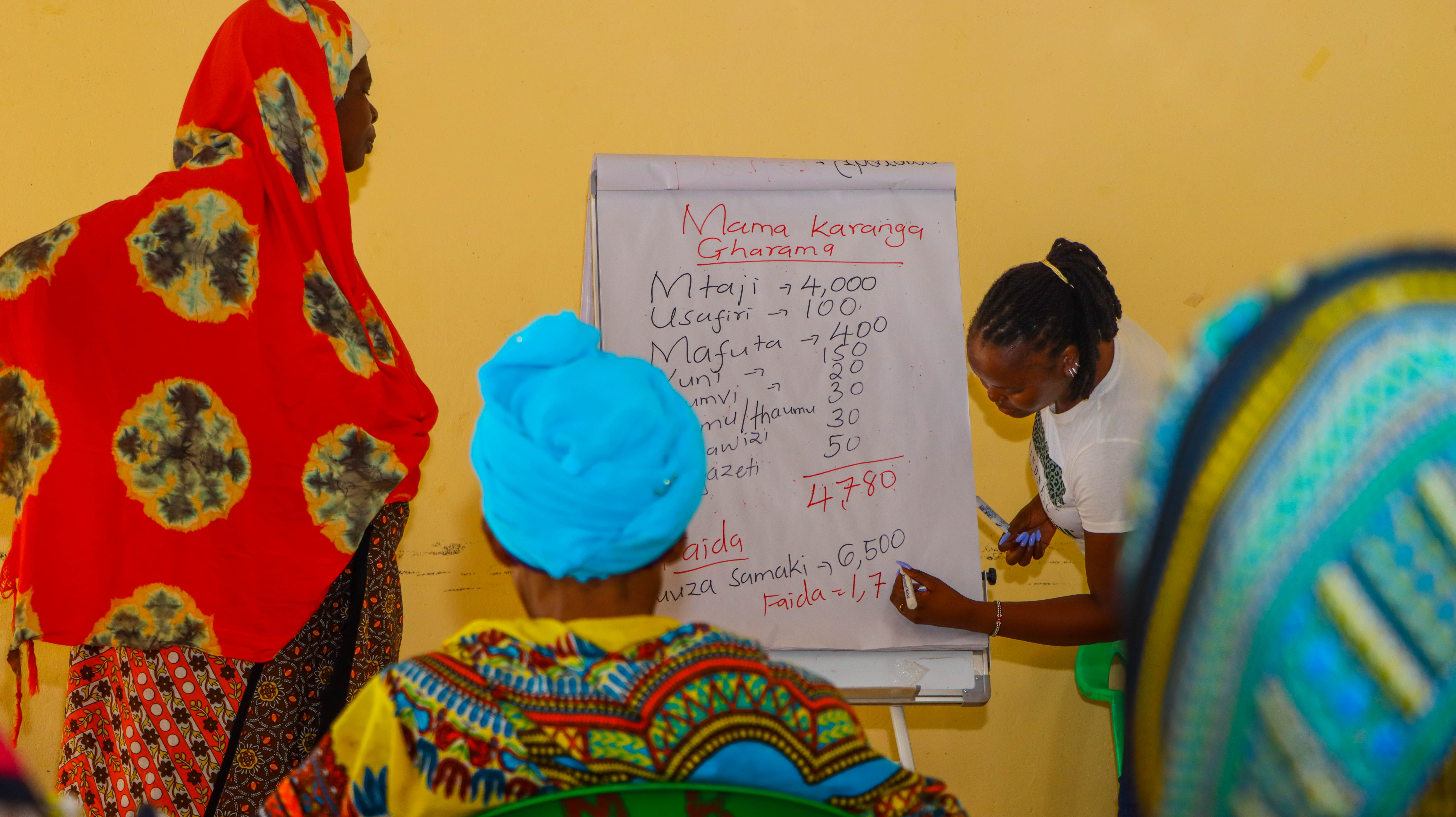
The surveys point to encouraging signs of application. In Jimbo and Majoreni, all 22 traders interviewed for the business management and financial literacy survey reported applying at least one skill from their training. Eighteen, or 82%, said they used the skills regularly. For some, this meant keeping better business records, budgeting, saving or calculating profits and losses. Others described separating business money from household expenses, following up with customers and paying closer attention to market prices.
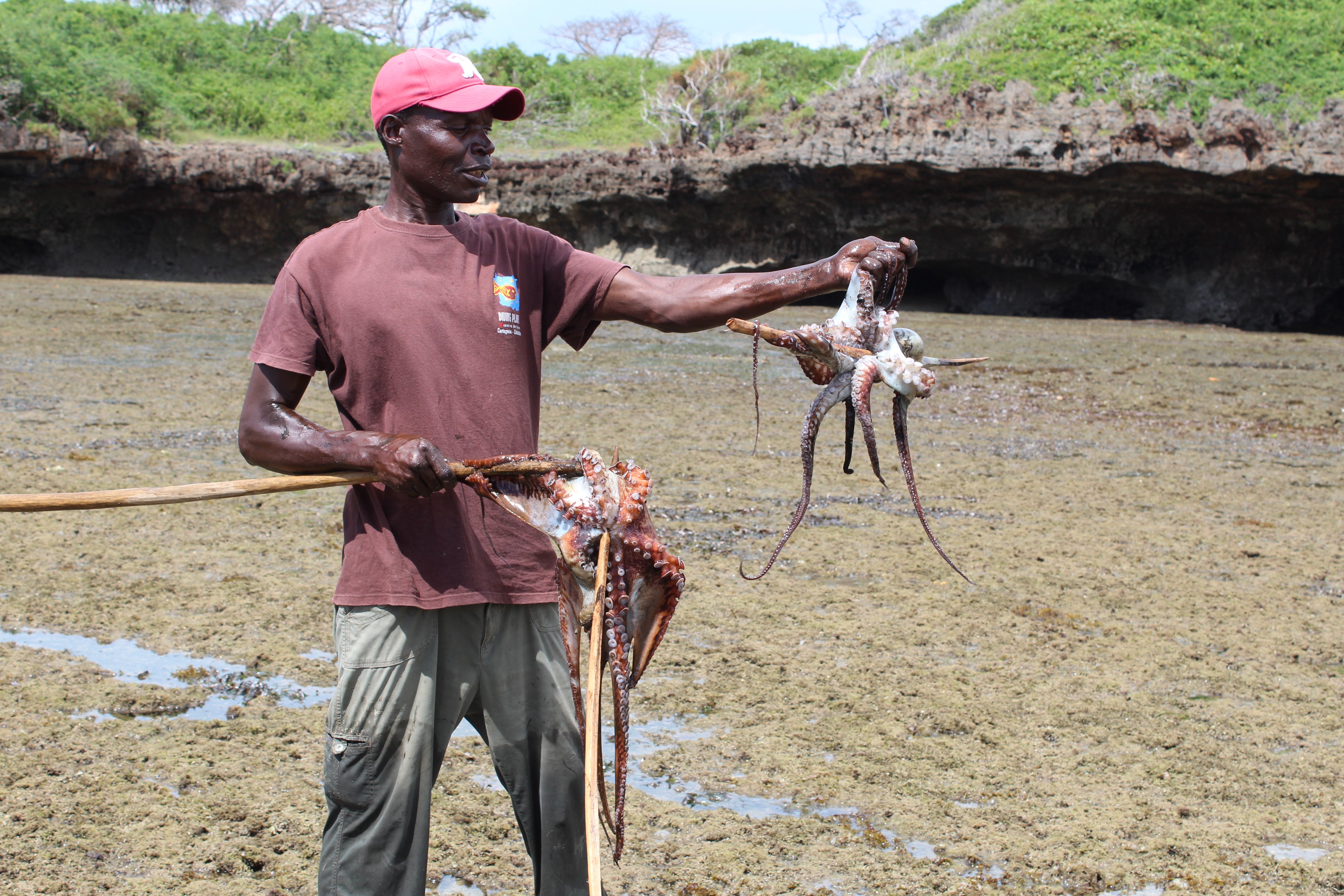
A separate survey of 32 traders in Jimbo, Majoreni and Shimoni examined the application of fish handling and hygiene skills. Thirty traders (94%) reported adopting at least one practice. Of those 30, 29 (97%) said they applied the practices regularly. The changes included improved hygiene, better icing and fish cleaning, as well as exploring additional services such as gutting and descaling.
The surveys involved different groups of traders and examined different areas of learning. Taken together, however, they offer a view of how traders work on two sides of the same business: managing finances and protecting the quality of the fish they sell.
Where the changes become visible
The value of these skills becomes clearer in the decisions traders make. Keeping records, for instance, helps a trader understand what is coming in and going out. Budgeting and saving can make it easier to plan for purchases, while understanding market prices and maintaining customer relationships can inform how and where fish is sold.
In the fish handling survey, traders also described changes in how they prepare, store, and preserve fish. One reported that improved ice layering had eliminated the losses they previously experienced. Others described introducing services such as gutting and descaling, including charging KES 40 per kilogram for the service.
These are individual experiences rather than results shared by every trader. But they show how applying a skill can translate into a practical adjustment to the way a business operates.
They also point to a connection that is easy to overlook. Better fish handling helps protect the product, while sound business management helps traders account for costs, set prices, and make decisions about their earnings. One matters to the quality of the fish; the other matters to whether the business can sustain itself.
Knowing what to do is not always enough
The surveys also reveal the constraints that traders continue to face. For those working on their business management skills, limited capital was the most frequently cited challenge, followed by seasonal changes in fish availability and household expenses that make saving difficult. For traders working to improve fish handling, access to ice and cold storage remained a major concern. They also pointed to a lack of equipment and access to clean water.
This is where the distinction between learning a skill and being able to apply it consistently becomes important. A trader may understand the importance of proper icing but lack reliable access to ice. Another may want to invest in storage or expand stock purchases but have limited capital to work with.
The traders' preferred forms of further support reflect these needs. In the business management survey, mentorship and refresher training were the most frequently requested forms of support. In the fish handling survey, traders highlighted better access to cold storage and further training.
The findings suggest that training is one part of the process. Continued guidance, access to equipment and facilities, and opportunities to put new knowledge into practice also matter.

Looking beyond the training
For coastal fish traders, business management and fish handling are not separate concerns. They meet in the everyday decisions that determine how much stock to buy, how to preserve it, what price to charge and whether there is enough money to reinvest.
The two surveys provide an encouraging picture of traders putting new skills into practice. They also make clear that adoption does not happen in isolation. Access to capital, reliable cold storage, equipment and clean water can influence whether these practices continue.
The next step is not simply to introduce more skills, but to understand what traders need to keep using them. That means paying attention to the conditions in which they work, the decisions they make, and the support that can help them build on what they have learned.