.png)



For many years, the fishing community at Wesa in Kilifi County operated in the dark. Decisions about how to manage their ocean resources and plan for the future weren't based on facts, but on what people thought they saw. As Erastus Mwanango, the Chairman of the Wesa Beach Management Unit (BMU), puts it:
“maamuzi ya BMU ilifanyika kulingana na mtazamo wa mambo tu”
meaning they relied only on perceptions rather than proof.
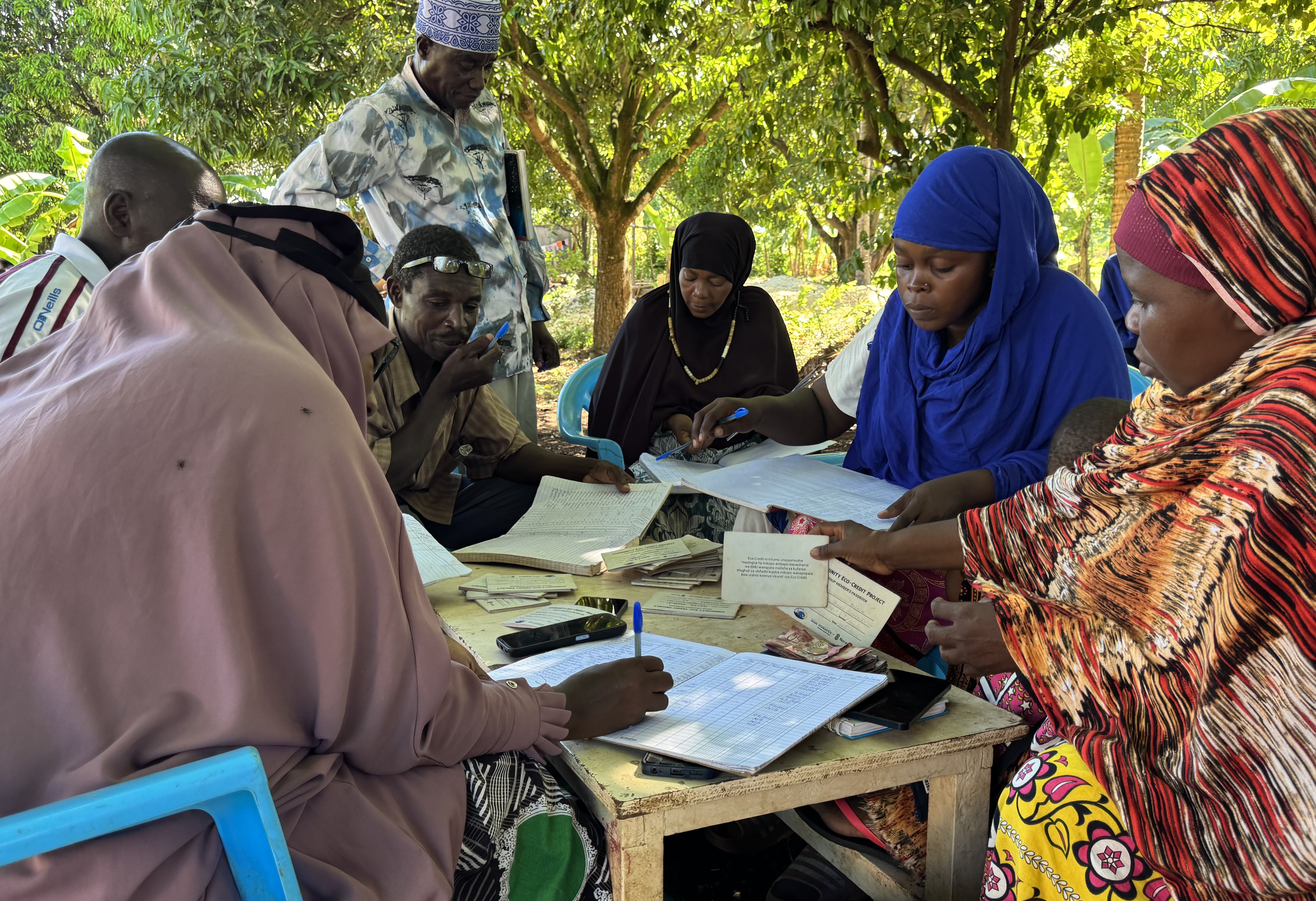
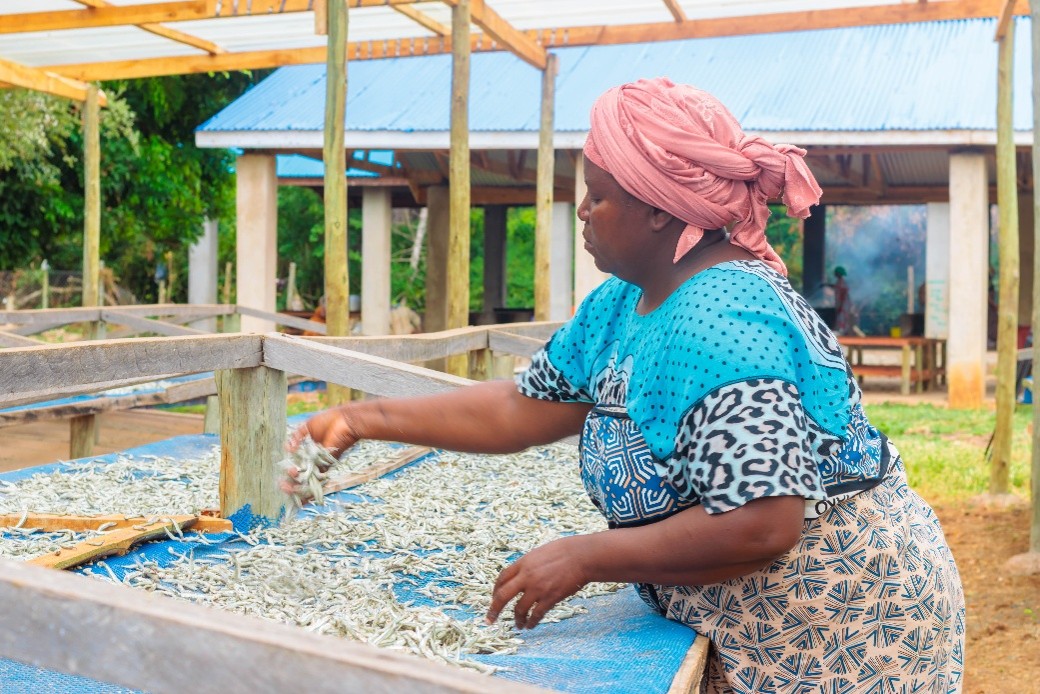
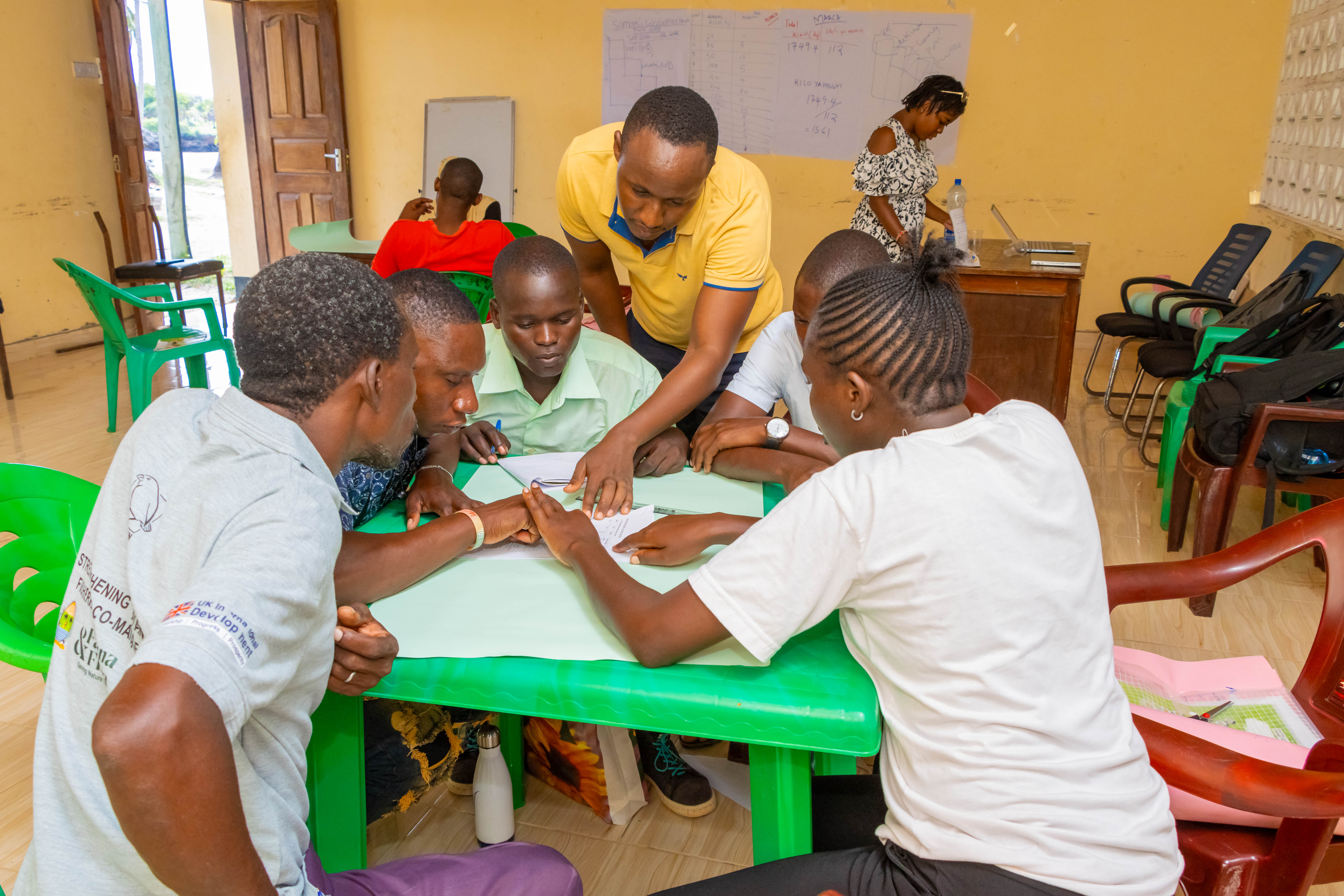
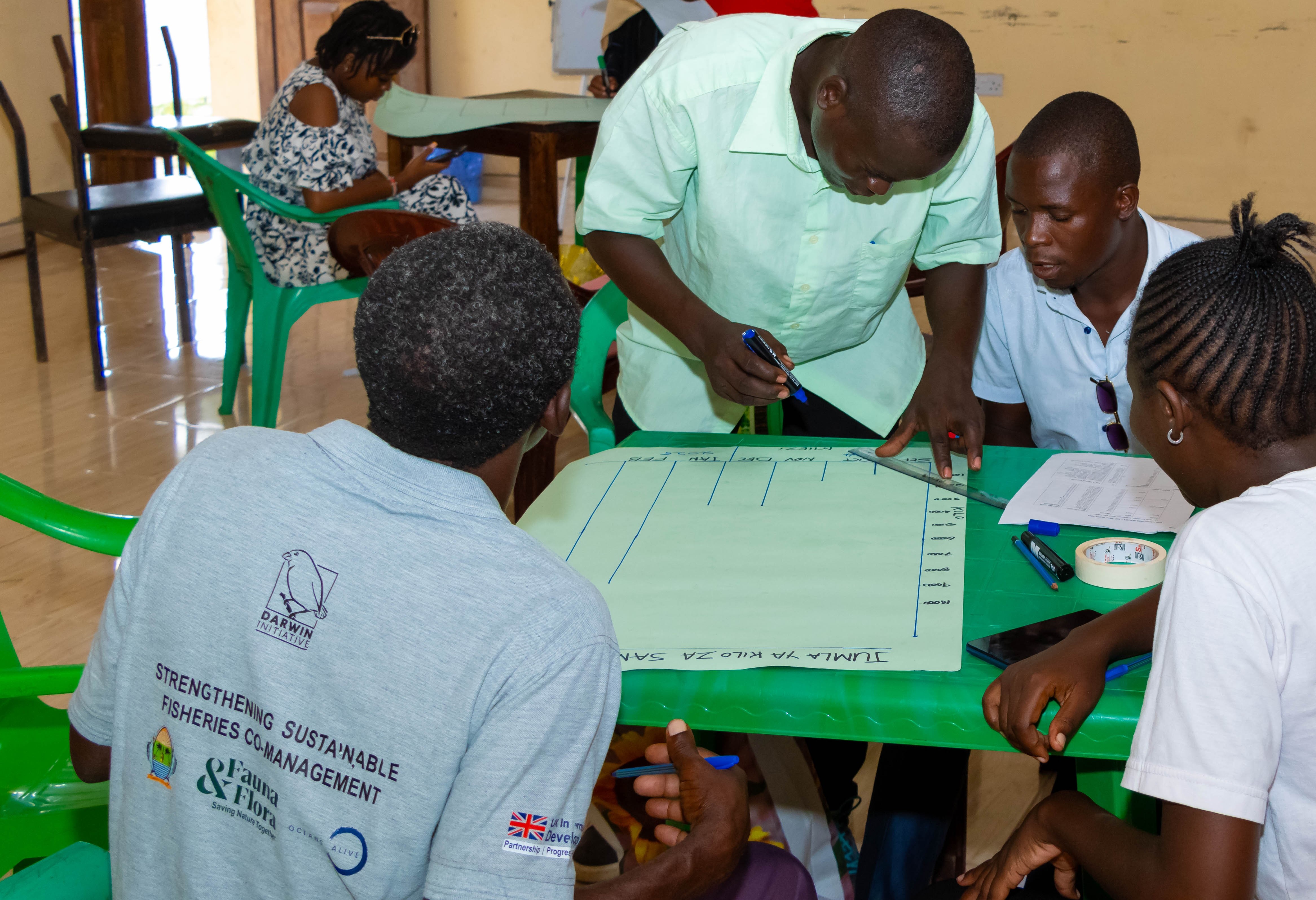
Today, that "perception" is being replaced by a clear, data-driven reality. This shift was recently on display during a data feedback session where the entire community was represented: BMU executive leaders, fishers, fish traders, and “Mama Karanga” (women who fry and sell fish). Facilitated by community-selected data collectors, this session turned raw numbers into a platform for insightful discussions and recommendations based on the reality on the ground.
The Economic "Aha!" Moment
When the group sat down to look at the numbers, the reaction was one of total surprise. Based on scientifically sampled boats, Wesa lands an average of 7,591.89 kg of fish every month, bringing in KES 2,021,304.84 (about $15,550 USD).
For long-time fishers like Lenox Zai, seeing these totals was an "eye-opening" moment.
“It surprised me that we bring so much money per month,” he said,
noting that data makes it easier to understand their collective wealth. Even Rosemary Kadzo, a Mama Karanga with over 20 years in the trade, noted that the data helped her finally understand the true patterns and availability of fish. For the first time, everyone represented could see the true economic power of their collective work; they now know that a single fishing trip from the scientifically sampled data averages about 16.82 kg, worth roughly KES 4,600 ($35 USD). This means a fisher on a fishing vessel goes home with KES 1,533 ( $12 USD ) per day, this suggests earnings above national minimum wage.
Solving the Gear-Value Paradox
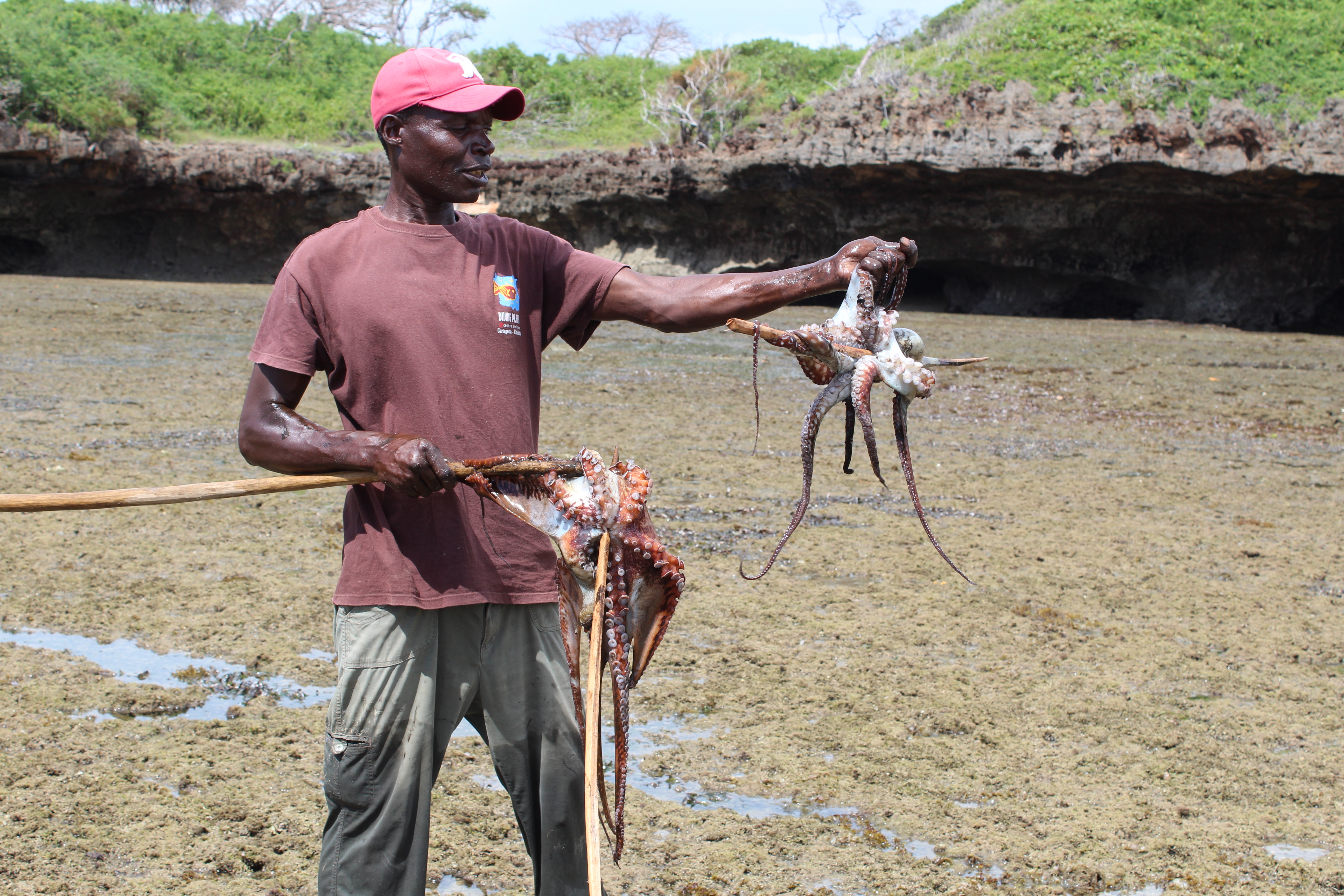
Perhaps the most stunning finding was that Tuna fish, which accounts for 72.54% of the catch in Wesa, is never caught using the commonly used illegal spear guns, proving that these tools are a barrier to accessing the community's most valuable resource.
This realization has sparked a major shift in how the community thinks. The BMU leadership is now using this evidence to show fishers that illegal or inefficient gears are actually holding them back from catching the higher-value fish. This knowledge moved the BMU members present to recommend awareness sessions (hamasa) to encourage more fishers to submit data and explain the negative impact of illegal gears.
From Data to Real-World Investment
This shift from "perceptions" to "proof" is doing more than just changing fishing habits; it is attracting outside investors. Because the Wesa community can now prove exactly how much Sailfish they land, a private investor has stepped forward with a plan to build a cold room at the landing site.
Wesa BMU chairman, Erastus Mwanango uses this to show the community why accuracy matters; without this data, an investor would never know Wesa was a high-value site worth their investment. He also notes that this data will help the BMU improve how they collect levies, manage memberships, and improve overall compliance and management of their resources.
A New Model for Coastal Communities
The story of Wesa is a perfect example of what happens when a community takes ownership of its own information. It turns a group of individual fishers and traders into an organized economic force. By moving away from mtazamo tu (perceptions) and toward a complete picture of their resources, Wesa is proving they are ready for growth.
For partners and supporters, the lesson is simple: when you support a community, from the BMU leadership to the Mama Karanga with their own data, you don't just get a report; you get a self-sustaining economy.
This work is generously supported by Blue Ventures through the Frontline Community Fund